Welcome to PetCareTipsHub: Your Ultimate Guide to a Happy, Healthy Dog

Making Dog Ownership Easier, Safer, and More Enjoyable

At PetCareTipsHub, we believe that being a dog parent is one of life’s greatest joys—but it also comes with plenty of questions. Whether you’re wondering, “Can my dog eat this?” or trying to decode why your pup is digging up the backyard, we are here to provide the answers you need.

Our mission is to empower dog owners with clear, reliable, and actionable advice. From the first day you bring a new puppy home to the golden years of a senior dog, our expert guides cover everything you need to navigate life with your best friend.

  • Why Is My Dog Panting So Much? When to Worry

    pexels animal 1837003

    Panting is a normal part of being a dog, but as an owner, it’s natural to feel concerned when it seems excessive. Since dogs don’t sweat like humans do, they rely on panting as their primary way to cool down. However, if you are asking, “why is my dog panting so much?” and the environment isn’t particularly hot, it could be a sign of something more than just a warm day. Understanding the difference between normal cooling and abnormal distress is vital for your pet’s well-being. In this guide, we’ll explore the common reasons for heavy panting and the red flags you should never ignore.

    Common Reasons for Panting

    Cooling Down (The Most Common Cause):

    • Dogs pant to evaporate moisture from their tongues and lungs, which helps regulate their body temperature after exercise or in warm weather.

    Anxiety and Stress:

    • Emotional distress—like thunder, fireworks, or a vet visit—often triggers heavy panting as part of the “fight or flight” response.

    Pain or Discomfort:

    • Dogs are experts at hiding pain. Sometimes, the only outward sign that a dog is hurting (from an injury or an upset stomach) is unexplained, heavy panting.

    Excitement:

    • Happy panting often happens when you come home or when it’s time for a walk. This is usually accompanied by a wagging tail and a relaxed posture.

    When It Is an Emergency

    Panting can sometimes indicate a serious medical issue. Seek veterinary care immediately if you notice:

    • Heatstroke: Extreme panting, dark red gums, and lethargy after being in the sun or a hot car.
    • Difficulty Breathing: If your dog seems to be struggling for air or if their tongue/gums look blue or purple.
    • Poisoning: Heavy panting combined with vomiting or tremors.
    • Heart Issues: Consistent heavy breathing even when the dog has been resting in a cool environment.

    You may also like: [Why Do Dogs Follow You Everywhere? 5 Reasons for Your “Velcro Dog”]

    [Why Is My Dog Barking So Much? Understanding Canine Communication]

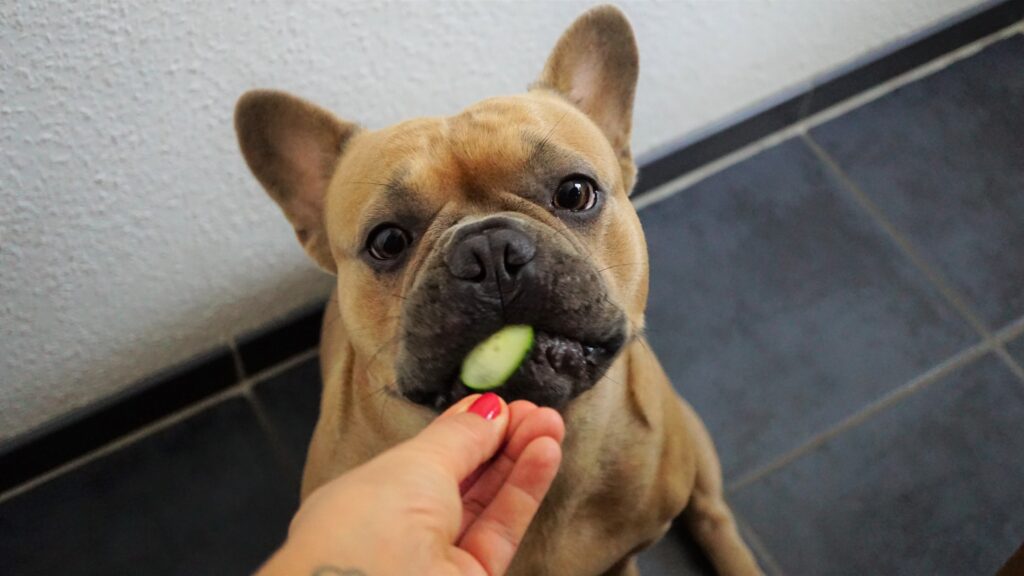
  • Can Dogs Eat Cucumbers? The Perfect Low-Calorie Snack

    mylene2401 french bulldog 4415632

    When the weather gets warmer, many of us look for refreshing snacks to stay hydrated, and cucumbers are often at the top of the list. But can dogs eat cucumbers as well? The answer is a resounding yes! Cucumbers are not only safe for most dogs but are also one of the healthiest treats you can offer. They are especially beneficial for pets that need to shed a few pounds without feeling like they are missing out on rewards. In this post, we’ll dive into why cucumbers are a nutritional win and how to prepare them safely for your furry friend.

    The Quick Answer

    Yes! Cucumbers are perfectly safe for dogs to eat. They are extremely low in calories, fats, and sodium, making them an ideal alternative to processed dog biscuits.

    Health Benefits of Cucumbers

    • Weight Management: Since they are about 95% water, they provide a satisfying crunch without the caloric load of traditional treats.
    • Hydration Boost: They are a great way to help your dog stay hydrated on hot days or after a long walk in the park.
    • Nutrient-Rich: Cucumbers contain Vitamin K, which is essential for bone health and blood clotting, along with small amounts of Vitamin C and Magnesium.
    • Fresh Breath: Some owners find that the phytochemicals in cucumbers can help freshen a dog’s breath by killing odor-producing bacteria.

    How to Serve Safely

    • Slice it Up: Always cut the cucumber into bite-sized pieces or thin slices to prevent choking, especially for small breeds.
    • Skip the Pickles: Never give your dog pickles instead of fresh cucumbers. Pickles contain high levels of salt and spices like garlic or onions, which are toxic to dogs.
    • Peel if Necessary: While the skin is safe, some dogs may find it hard to digest. If your dog has a sensitive stomach, peeling the cucumber first is a good idea.
    • Moderation is Key: Follow the 10% rule—treats (even healthy ones like cucumbers) should never make up more than 10% of your dog’s daily caloric intake.

    You may also like: [Can Dogs Can Dogs Eat Eggs? The Sunny-Side Up Truth]

    [Can Dogs Eat Bananas? Everything You Need to Know]

  • How Often Should You Feed a Puppy? A Growth Milestone Guide

    chiemsee2024 dog 1196642

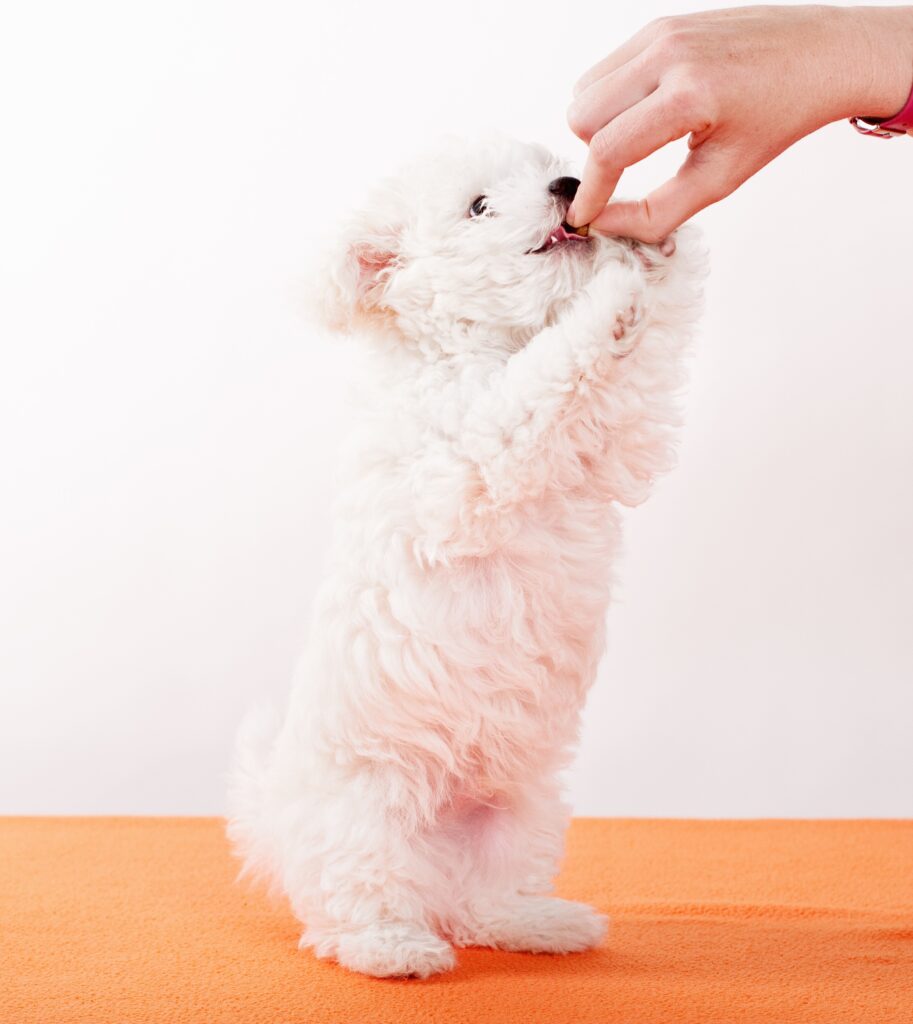
    Bringing a new puppy home is an exciting journey, but it also comes with many questions about their basic needs. One of the most critical aspects of early care is establishing a consistent nutritional routine. If you are wondering, “how often should you feed a puppy“, the answer depends largely on their age and breed size. Puppies have small stomachs and high energy requirements, meaning they need smaller, more frequent meals compared to adult dogs. In this guide, we will break down the ideal feeding schedule to ensure your puppy grows up strong, healthy, and happy.

    Feeding Schedule by Age

    6 to 12 Weeks Old:

    • Puppies should be fed 4 times a day to meet their high energy demands and accommodate their tiny stomachs.

    3 to 6 Months Old:

    • During this stage, you can usually reduce the frequency to 3 meals a day. You will notice their “puppy potbelly” starting to disappear as they grow.

    6 to 12 Months Old:

    • Begin feeding 2 meals a day. This is the standard routine for most adult dogs.

    After 1 Year:

    • Most dogs are transitioned to adult maintenance food twice daily. Large breeds may stay on puppy-specific formulas a bit longer to support bone health.

    Why Consistency Matters

    • Stable Energy Levels: Frequent meals prevent the blood sugar crashes that can sometimes happen in very small breeds.
    • Aids House Training: Puppies usually need to go outside shortly after eating. A regular feeding schedule makes potty training much more predictable.
    • Digestive Health: Smaller portions are easier for a developing digestive system to process without causing upset.

    Tips for Success

    • Stick to the Clock: Try to feed your puppy at the same times every day to build a sense of security.
    • Monitor Weight: Keep an eye on your puppy’s body condition. You should be able to feel their ribs but not see them prominently.
    • Fresh Water: Always ensure your puppy has access to clean, fresh water alongside their meals.

    You may also like: [Dog Age Calculator: How Old is Your Dog in Human Years?]

    [Why Is My Dog Vomiting? When to Worry and What to Do]

  • Why Is My Dog Barking So Much? Understanding Canine Communication

    kadisha dog 1742295

    Barking is one of the most common ways dogs communicate with the world around them, but when the noise becomes constant, it can be overwhelming for any owner. If you find yourself asking, “why is my dog barking so much?“, it is important to remember that your dog isn’t just making noise—they are trying to tell you something. Whether it’s driven by a need for attention, a reaction to the environment, or an underlying emotional state, understanding the “why” is the first step toward a more peaceful home. In this guide, we will explore the common triggers for excessive barking and how you can better understand your dog’s unique voice.

    Common Reasons for Excessive Barking

    Territorial or Protective Behavior:

    • Dogs often bark at people or other animals approaching what they perceive as their “territory,” such as your home or yard.

    Alarm and Fear:

    • Sudden noises or unexpected movements can startle a dog, leading to barking as a defensive reaction.

    Boredom and Frustration:

    • Dogs are social and active animals; if they lack mental stimulation or physical exercise, they may bark to release pent-up energy.

    Attention-Seeking:

    • Many dogs learn that barking is the fastest way to get their owner to look at them, play, or provide a treat.

    Separation Anxiety:

    • This type of barking often happens when the dog is left alone and is usually accompanied by other signs of distress, like pacing or chewing.

    Practical Tips to Manage the Barking

    • Identify the Triggers: Pay close attention to what happens right before your dog starts barking to find the specific cause.
    • Increase Mental Stimulation: Use puzzle toys or short training sessions to keep their minds engaged—a busy brain is a quiet brain.
    • Physical Exercise: Ensure your dog is getting enough daily activity; a tired dog is generally much less likely to bark at every passing shadow.
    • Avoid Yelling: Shouting at your dog to “be quiet” can be misinterpreted as you “barking” along with them, which may actually encourage the behavior.

    When to Seek Professional Help

    If your dog’s barking is driven by intense aggression or severe anxiety, it may be time to consult a professional behavioral trainer. They can help you create a tailored plan to address your dog’s specific needs and improve their quality of life.

    You may also like: [Why Do Dogs Follow You Everywhere? 5 Reasons for Your “Velcro Dog”]

    [Why Do Dogs Sniff Everything? The Science of the “Sniffari”]

  • Can Dogs Eat Cheese? A Guide for Pet Owners

    3194556 puppy 1903313

    Cheese is a favorite treat for many humans, and it’s no secret that our dogs usually come running the moment they hear a cheese wrapper crinkle. But can dogs eat cheese safely? While cheese isn’t naturally toxic to dogs, it isn’t always the best choice for every pup. Depending on the type of cheese and your dog’s digestive health, this salty snack can range from a high-value training reward to a cause for a tummy ache. In this article, we’ll explore the benefits, the risks of lactose intolerance, and which types of cheese are safest for your dog.

    The Quick Answer

    Yes, in moderation. Most dogs can eat small amounts of cheese. However, it is important to remember that many dogs are lactose intolerant to some degree, and cheese is high in fat and sodium.

    The Safety Checklist (What to Avoid)

    Not all cheeses are created equal. Avoid these specific types:

    • Blue Cheeses: Cheeses like Gorgonzola or Roquefort can produce roquefortine, a substance that is potentially toxic to dogs.
    • Added Ingredients: Never give your dog cheese that contains garlic, onions, chives, or herbs, as these are toxic to canines.
    • High-Sodium Options: Avoid very salty cheeses like Feta or processed cheese slices that contain artificial preservatives.

    Best Types of Cheese for Dogs

    If you want to use cheese as a treat, stick to these lower-lactose and lower-fat options:

    • Mozzarella: Lower in fat and sodium than many other cheeses.
    • Cottage Cheese: High in protein and calcium, and often easier for dogs to digest.
    • Mild Cheddar: A popular choice for hiding pills or as a high-value training reward.

    When to Be Careful

    • Lactose Intolerance: Just like humans, some dogs cannot digest dairy. If your dog gets diarrhea or gas after eating cheese, stop immediately.
    • Obesity and Weight Gain: Cheese is calorie-dense. If your dog is overweight, it’s better to choose a lower-calorie snack like apples.
    • Pancreatitis: Because cheese is high in fat, it should be strictly avoided by dogs with a history of pancreatitis or sensitive stomachs.

    You may also like: [Can Dogs Eat Yogurt? The Probiotic Powerhouse]

    [Can Dogs Eat Strawberries? A Sweet Treat Guide]

  • Can Dogs Eat Apples? Everything You Need to Know

    mrgajowy3 dog 3771427

    Many dog owners wonder if sharing a crunchy snack from their fruit bowl is a safe choice for their furry friends. Apples are one of the most common fruits found in our kitchens, and the good news is that they can be a fantastic, nutritious treat for your canine companion. However, while the fruit itself is packed with health benefits, there are specific parts of the apple you must avoid to keep your pet safe. In this guide, we’ll break down how to serve apples safely and why they are a great addition to a balanced dog diet.

    The Quick Answer

    Yes! Apples are a healthy, low-calorie snack for most dogs. They are packed with Vitamin A, Vitamin C, and dietary fiber, which can help with your dog’s digestion.

    The Safety Checklist (How to Serve)

    While the flesh of the apple is safe, there are a few “hidden” dangers to avoid:

    • Remove the Seeds: Apple seeds contain a tiny amount of cyanide, which is toxic to dogs if consumed in large quantities.
    • Remove the Core: The core is tough and can be a choking hazard or cause an intestinal blockage.
    • Wash Thoroughly: Always wash apples to remove any pesticides or wax.
    • Slice into Bite-Sized Pieces: This prevents choking, especially for smaller breeds.

    Benefits for Your Dog

    • Fresh Breath: The crunchiness of an apple can help clean residue off a dog’s teeth.
    • Low Fat: Unlike many processed treats, apples are excellent for dogs who need to watch their weight.
    • Hydration: Apples have high water content, making them a refreshing snack for a warm day.

    When to Be Careful

    • Sugar Content: Apples contain natural sugar. If your dog is diabetic, consult your vet before adding apples to their diet.
    • Moderation: Too much apple can cause an upset stomach or diarrhea due to the high fiber content. One or two slices is usually enough for a treat.

    You may also like: [Can Dogs Eat Bananas?]

    [Can Dogs Eat Pineapple? A Tropical Treat Guide]

  • Can Dogs Eat Tomatoes? The Green vs. Red Rule

    pexels zandatsu 31508564

    Adding a fresh slice of tomato to your salad and wondering, can dogs eat tomatoes too? While these garden favorites are a staple in American kitchens, they come with a specific set of rules for our canine companions. From the antioxidant benefits of lycopene to the hidden dangers of the “green” parts of the plant, there is a lot to consider before sharing a snack. In this guide, we’ll explain how to safely serve tomatoes to your dog and how to spot the signs of tomato poisoning.

    The Short Answer: Yes, But Only When Ripe!

    The quick answer is yes, dogs can eat plain, red, ripe tomatoes in small amounts. However, the green parts of the tomato plant—including the stem, leaves, and unripened fruit—contain a substance called tomatine, which can be toxic to dogs in large quantities.

    The Danger of Tomatine (Tomato Poisoning)

    Tomatoes belong to the nightshade family of vegetables. While the red flesh of a ripe tomato has very little tomatine, the green parts are highly concentrated with it. If a dog ingests too much “green,” they can suffer from tomato plant poisoning.

    Symptoms to watch for:

    • Gastrointestinal upset (vomiting or diarrhea)
    • Loss of coordination
    • Muscle weakness
    • Hypersalivation (excessive drooling)

    The Health Benefits of Ripe Tomatoes

    When served ripe and in moderation, tomatoes offer some great nutrients:

    • Lycopene: A powerful antioxidant that supports heart health and bone strength.
    • Beta-carotene: Supports eye health and skin regeneration.
    • Fiber: Aids in healthy digestion.
    • Potassium: Essential for nerve and muscle function.

    Important Serving Rules

    • Red & Ripe Only: Ensure the tomato is completely red. If it has any green “shoulders” or patches, keep it away from your dog.
    • Remove Stems and Leaves: Always pull off the vine and the green top before sharing.
    • No Sauces or Seasonings: Never feed your dog tomato sauce, ketchup, or soup. These often contain onions, garlic, and high levels of sodium, all of which are dangerous for dogs.
    • Bite-Sized Pieces: Slicing cherry tomatoes or dicing larger ones helps prevent choking.

    You may also like: [Can Dogs Eat Bananas?]

    [Can Dogs Eat Yogurt? The Probiotic Powerhouse]

    [Can Dogs Eat Mango? A Sweet Summer Treat Guide]

  • Why Is My Dog Not Eating? Causes, Concerns, and What to Do

    pexels freestocks 688961

    It’s a worrying sight for any pet parent: a full food bowl and a dog that won’t take a bite. If you’re asking yourself, why is my dog not eating?, you’re likely dealing with anything from a minor behavioral quirk to a potential health concern. In this guide, we’ll explore the most common reasons for a loss of appetite in dogs, how to tell if it’s a medical emergency, and simple tips to encourage your picky eater to finish their meal.

    It’s one of the most stressful moments for a pet parent: you put down the food bowl, and your dog simply walks away. While some dogs are naturally “picky eaters,” a sudden loss of appetite is often a signal that something—either physically or emotionally—is off. Here is a guide to understanding why your dog might be on a “hunger strike.”

    Medical Issues

    If your dog suddenly stops eating, the first priority is ruling out a health problem. Common medical reasons include:

    • Dental Pain: Broken teeth, gum disease, or oral tumors can make chewing painful.
    • Infections or Illness: Fever, kidney failure, liver issues, or even a simple “stomach bug” can kill a dog’s appetite.
    • Medication Side Effects: If your dog recently started a new medication (like an antibiotic or NSAID), it might be causing nausea.

    Emotional or Environmental Stress

    Dogs are creatures of habit. Changes in their environment can lead to a temporary loss of appetite:

    • Travel or Moving: Moving to a new home or staying in a boarding kennel is stressful.
    • New Family Members: A new baby, a new pet, or even a houseguest can disrupt their routine.
    • Separation Anxiety: Many dogs refuse to eat when their favorite person is away.

    Pickiness and Behavioral Issues

    In the US, many dogs have “trained” their owners to provide better food.

    • Waiting for the “Good Stuff”: If you frequently feed your dog table scraps or high-value treats, they may hold out and refuse their kibble in hopes of getting a piece of your chicken dinner.
    • Boredom: Sometimes, dogs simply get tired of the same flavor day after day.

    Food Quality Issues

    Before rushing to the vet, check the bowl:

    • Spoiled Food: Kibble can go rancid if stored in a warm area or if the bag has been open for too long.
    • Recall Alerts: Check if your dog’s specific brand has any recent safety recalls.

    You may also like: [Dog Age Calculator: How Old is Your Dog in Human Years?]

    [Why Is My Dog Vomiting? When to Worry and What to Do]

  • Can Dogs Eat Mango? A Sweet Summer Treat Guide

    pexels ssofieslaninova 34051744

    The Short Answer: Yes, Absolutely!

    Looking for a tropical way to reward your pup and wondering, can dogs eat mango? You’re in luck! This sweet, juicy fruit is a nutritional powerhouse for canines, offering a boost of vitamins and antioxidants. However, before you share a slice, it’s vital to know which parts of the mango are safe and which pose a serious choking risk. In this guide, we’ll cover everything you need to know about feeding mango to your dog safely.

    The quick answer is yes, dogs can safely eat mango. This juicy tropical fruit is packed with essential vitamins and is a hit with most dogs due to its soft texture and sweet taste. However, there are a few “hidden dangers” in the pit and the skin that every pet parent needs to know.

    The Nutritional Benefits of Mango

    Mangoes aren’t just tasty; they are loaded with nutrients that support canine health:

    • Vitamin A: Promotes good vision, especially in senior dogs, and supports the immune system.
    • Vitamin B6, C, and E: This “power trio” of vitamins helps with everything from brain function to skin health and reducing inflammation.
    • Antioxidants: Helps fight free radicals and supports overall cellular health.
    • Dietary Fiber: Great for digestion (though too much can lead to an upset stomach).

    The “Danger Zone”: Pits and Skins

    While the fruit’s flesh is safe, the rest of the mango requires caution:

    • The Pit (Stone): Never let your dog chew on a mango pit. It is a major choking hazard and can cause a deadly intestinal blockage. Furthermore, mango pits contain small amounts of cyanide, which is toxic to dogs.
    • The Skin: While not technically toxic, mango skin is very tough and difficult for dogs to digest. It’s best to peel the fruit completely to avoid tummy aches.
    • Sugar Content: Mangoes are high in natural sugar. If your dog is overweight or diabetic, stick to lower-sugar fruits like blueberries or skip the mango altogether.

    How to Serve Mango to Your Dog

    • Fresh Slices: Peel the fruit, remove the pit, and cut the flesh into small, bite-sized chunks.
    • Frozen Treats: Frozen mango chunks are a perfect “cool-down” snack for a hot afternoon in the backyard.
    • Mango Puree: Blend fresh mango and pour it over their kibble as a “tropical topper.”

    You may also like: [Can Dogs Eat Yogurt? The Probiotic Powerhouse]

    [Can Dogs Eat Pineapple? A Tropical Treat Guide]

    [Can Dogs Eat Strawberries? A Sweet Treat Guide]

  • Why Do Dogs Sniff Everything? The Science of the “Sniffari”

    pexels kureng workx 2546437 7631406

    Do you ever feel like your daily walk is more of a “stop-and-sniff” session than a workout? If you’ve ever wondered, why do dogs sniff everything?, you’re about to discover a hidden world of communication. For dogs, a single sniff provides a wealth of information that we can barely imagine. In this guide, we’ll explore the incredible science behind your dog’s nose, from the “social media” of fire hydrants to how sniffing can actually help calm your pup’s anxiety.

    If you’ve ever taken your dog for a walk, you know the feeling: you’re ready for a brisk exercise, but your dog wants to stop and investigate every single blade of grass and fire hydrant. While it might seem like they are just being stubborn, your dog is actually “reading” the world. For a canine, sniffing is more than just a sense—it’s how they process information.

    A Super-Powered Sense of Smell

    To understand why they sniff so much, you have to look at the hardware. Humans have about 5 million olfactory receptors in our noses. Dogs? They have up to 300 million. Additionally, the part of a dog’s brain that analyzes smells is, proportionally, 40 times larger than ours. When they sniff, they aren’t just smelling “grass”; they are smelling who was there, what they ate, and even how they were feeling.

    The Jacobson’s Organ (Vomeronasal Organ)

    Dogs have a special “second” smelling system located in the roof of their mouth called the Jacobson’s organ. This organ is specifically designed to detect pheromones—chemical signals that animals leave behind. This allows your dog to “taste-smell” chemical messages that tell them if another dog is a friend or foe, or if a female is in heat.

    Reading the “Pee-mail”

    In the US, trainers often joke that hydrants and light poles are the “social media” of the dog world. When your dog sniffs where another dog has urinated, they are checking their “inbox.” They can tell the age, gender, health status, and even the stress levels of the dog that was there before them.

    Mental Stimulation and Relaxation

    Sniffing is hard work for a dog’s brain. In fact, 15 minutes of sniffing is often more tiring than an hour of walking. Engaging their nose lowers their heart rate and reduces stress. This is why many behaviorists in the US now recommend “Sniffaris”—walks where the dog is allowed to lead with their nose and stop as often as they like.

    Identifying Their “Pack”

    When you come home and your dog sniffs your shoes or legs intensely, they are performing a “security check.” They are learning where you went, who you were with (did you pet another dog?), and even if you stopped at a burger joint on the way home.

    You may also like: [Why Do Dogs Howl? 5 Fascinating Reasons Behind the Noise]

    [Why Do Dogs Wag Their Tail? Understanding Canine Body Language]

    [Why Do Dogs Dig? Understanding the Instinct and Saving Your Yard]