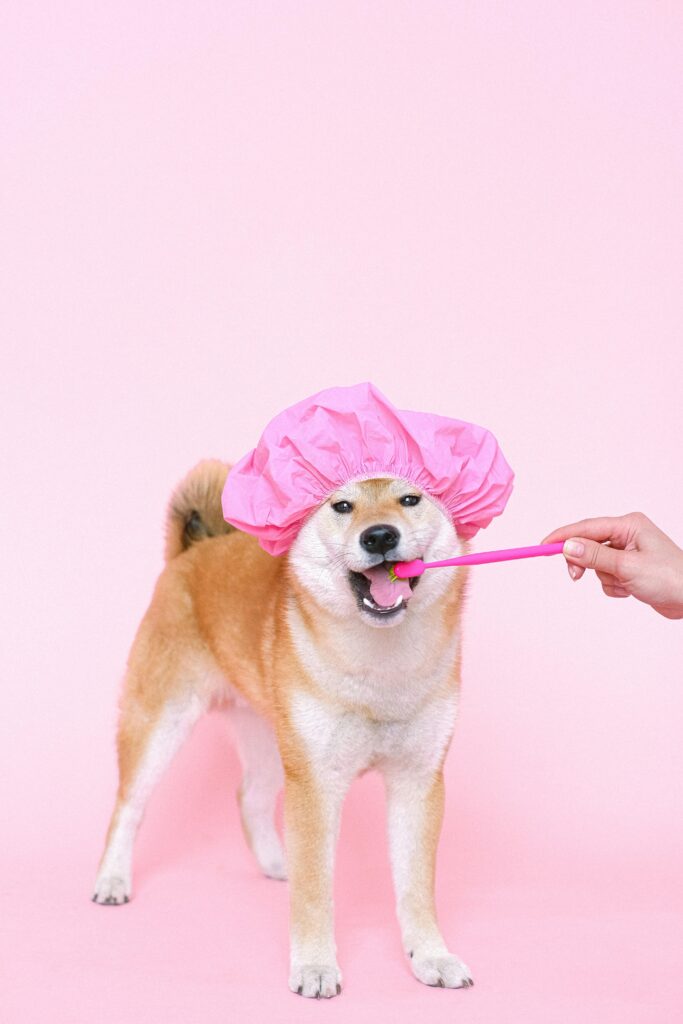
Did you know that by the age of three, over 80% of dogs show some signs of canine periodontal disease? While we focus heavily on diet and exercise, dental hygiene is an frequently overlooked aspect of pet care. Learning how to brush your dog’s teeth at home is one of the most effective preventative measures you can take to protect their overall health. Regular brushing prevents plaque build-up, freshens breath, and guards against costly vet bills down the road. In this final guide, we’ll share a stress-free, step-by-step method to get your dog comfortable with a dental routine.
Step-by-Step Dental Routine
Choose the Right Tools: Never use human toothpaste, as it contains xylitol, which is highly toxic to dogs. Buy a specialized poultry or beef-flavored pet toothpaste.
Start with Your Finger: Let your dog lick a small amount of toothpaste off your finger so they associate the flavor with a positive experience.
Introduce the Brush: Use a soft finger-brush or a angled pet toothbrush. Gently lift their lips and brush the outside surfaces of the teeth in circular motions.
Keep it Short: Start with just 30 seconds a day, gradually increasing the time as your pet grows more comfortable. Always finish with a reward!
Taking your dog for a walk should be a relaxing experience, but if your pup constantly pulls on the leash, it can quickly turn into a stressful workout. While traditional collars are fine for holding ID tags, they can put dangerous pressure on a dog’s throat. Switching to the best dog harnesses for walking can completely transform your daily outings. A good harness distributes pressure evenly across the chest and shoulders, giving you better control while keeping your dog safe and comfortable. In this guide, we’ll explore top-rated harnesses that prevent pulling and secure your pet.
Top Harness Styles for Every Dog
No-Pull Front-Clip Harnesses (For Strong Pullers)
If your dog tends to drag you down the street, a front-clip harness is a game-changer. When the leash is attached to the chest, any pulling forces the dog to gently turn back toward you.
Rabbitgoo No-Pull Dog Harness: Featuring both front and back metal leash attachment rings, this versatile harness is perfect for training active dogs. Its breathable mesh padding keeps your pup cool, while the adjustable straps ensure a snug, escape-proof fit.
Step-In Mesh Harnesses (Best for Small Breeds & Puppies)
Small dogs have delicate windpipes that are easily injured. A soft, lightweight step-in harness avoids the neck area entirely and is incredibly easy to put on.
Best Pet Supplies Voyager Step-In Mesh Harness: Crafted from plush, all-weather mesh fabric, this harness wraps gently around your pet’s chest. It secures with a heavy-duty hook-and-loop fastener and quick-release buckle, making it ideal for quick, everyday walks.
Bringing a new puppy home is a magical experience, but it also means preparing your space for a tiny, energetic explorer. One of the most important investments you will make is choosing where your new furry family member will sleep. The best dog beds for puppies aren’t just about soft fabric; they need to handle sharp puppy teeth, potential potty accidents, and provide enough security to ease nighttime separation anxiety. In this guide, we will look into the top types of beds that support a growing puppy’s physical development and emotional comfort.
Top Bed Styles for Growing Puppies
Calming Donut Beds (For Anxiety Relief)
Puppies often feel lonely or anxious when separating from their mother and littermates. Round, raised-rim beds simulate the feeling of sleeping in a safe pack.
Furhaven Calming Cuddler Donut Bed: Featuring deeply cushioned walls and ultra-plush faux fur, this style provides gentle physical pressure that mimics a constant hug. It allows anxious puppies to burrow down, feel secure, and drift into a deep sleep much faster during those first difficult nights home.
Durable, Washable Mats (For Crate Training & Accidents)
During potty training, easy-to-clean materials are a lifesaver. Flat mats that fit securely inside a training crate keep the puppy comfortable without trapping bad odors.
EHEYCIGA Waterproof High Rebound Pet Bed: This model features a brilliant integrated waterproof lining that protects the inner foam core from unexpected puppy accidents. The outer cover zips off smoothly and is fully machine washable, making cleanup quick and entirely stress-free for owners.
Chew-Resistant Beds (For Active Teething)
Puppies explore the world with their mouths, and teething can spell disaster for delicate fabrics and exposed zippers.
OYANTEN Square All-Season Durable Sofa Bed: Built with reinforced stitching and a tough outer material designed to withstand playful chewing and digging, this bed offers excellent longevity. Its non-slip base prevents it from sliding around on smooth hardwood floors during energetic play.
Comparison of Top Puppy Bed Types
Product Name
Best For
Core Material
Waterproof?
Washable Cover?
Furhaven Calming Cuddler
Anxiety & Comfort
Plush Fiber Fill
No
Yes
EHEYCIGA Waterproof Bed
Potty Training & Crates
High-Rebound Foam
Yes (Inner Liner)
Yes
OYANTEN All-Season Sofa
Teething & Durability
High-Density Foam
No
Yes
What to Look for Before Buying
Hidden Zippers: Look for beds with hidden zipper enclosures. Exposed tags and zippers are an open invitation for puppies to chew and destroy the lining.
Size with Room to Grow: Puppies grow incredibly fast. Choose a size slightly larger than their current measurements so you don’t have to replace the bed within a few short months.
Machine Washability: If the entire bed or at least the outer cover cannot be tossed into a washing machine, it is not practical for a young puppy.
Bringing a new puppy home is an exciting journey, but it also comes with many questions about their basic needs. One of the most critical aspects of early care is establishing a consistent nutritional routine. If you are wondering, “how often should you feed a puppy“, the answer depends largely on their age and breed size. Puppies have small stomachs and high energy requirements, meaning they need smaller, more frequent meals compared to adult dogs. In this guide, we will break down the ideal feeding schedule to ensure your puppy grows up strong, healthy, and happy.
Feeding Schedule by Age
6 to 12 Weeks Old:
Puppies should be fed 4 times a day to meet their high energy demands and accommodate their tiny stomachs.
3 to 6 Months Old:
During this stage, you can usually reduce the frequency to 3 meals a day. You will notice their “puppy potbelly” starting to disappear as they grow.
6 to 12 Months Old:
Begin feeding 2 meals a day. This is the standard routine for most adult dogs.
After 1 Year:
Most dogs are transitioned to adult maintenance food twice daily. Large breeds may stay on puppy-specific formulas a bit longer to support bone health.
Why Consistency Matters
Stable Energy Levels: Frequent meals prevent the blood sugar crashes that can sometimes happen in very small breeds.
Aids House Training: Puppies usually need to go outside shortly after eating. A regular feeding schedule makes potty training much more predictable.
Digestive Health: Smaller portions are easier for a developing digestive system to process without causing upset.
Tips for Success
Stick to the Clock: Try to feed your puppy at the same times every day to build a sense of security.
Monitor Weight: Keep an eye on your puppy’s body condition. You should be able to feel their ribs but not see them prominently.
Fresh Water: Always ensure your puppy has access to clean, fresh water alongside their meals.
It’s a worrying sight for any pet parent: a full food bowl and a dog that won’t take a bite. If you’re asking yourself, why is my dog not eating?, you’re likely dealing with anything from a minor behavioral quirk to a potential health concern. In this guide, we’ll explore the most common reasons for a loss of appetite in dogs, how to tell if it’s a medical emergency, and simple tips to encourage your picky eater to finish their meal.
It’s one of the most stressful moments for a pet parent: you put down the food bowl, and your dog simply walks away. While some dogs are naturally “picky eaters,” a sudden loss of appetite is often a signal that something—either physically or emotionally—is off. Here is a guide to understanding why your dog might be on a “hunger strike.”
Medical Issues
If your dog suddenly stops eating, the first priority is ruling out a health problem. Common medical reasons include:
Dental Pain: Broken teeth, gum disease, or oral tumors can make chewing painful.
Infections or Illness: Fever, kidney failure, liver issues, or even a simple “stomach bug” can kill a dog’s appetite.
Medication Side Effects: If your dog recently started a new medication (like an antibiotic or NSAID), it might be causing nausea.
Emotional or Environmental Stress
Dogs are creatures of habit. Changes in their environment can lead to a temporary loss of appetite:
Travel or Moving: Moving to a new home or staying in a boarding kennel is stressful.
New Family Members: A new baby, a new pet, or even a houseguest can disrupt their routine.
Separation Anxiety: Many dogs refuse to eat when their favorite person is away.
Pickiness and Behavioral Issues
In the US, many dogs have “trained” their owners to provide better food.
Waiting for the “Good Stuff”: If you frequently feed your dog table scraps or high-value treats, they may hold out and refuse their kibble in hopes of getting a piece of your chicken dinner.
Boredom: Sometimes, dogs simply get tired of the same flavor day after day.
Food Quality Issues
Before rushing to the vet, check the bowl:
Spoiled Food: Kibble can go rancid if stored in a warm area or if the bag has been open for too long.
Recall Alerts: Check if your dog’s specific brand has any recent safety recalls.
Seeing your furry friend in distress is heartbreaking, and “why is my dog vomiting?” is one of the most frequent questions pet parents ask. While an occasional upset stomach might not be a cause for alarm, frequent or severe vomiting can signal a deeper health issue. In this guide, we’ll break down the common causes of canine vomiting, explain what different colors of vomit mean, and—most importantly—help you identify the red flags that require an emergency trip to the vet.
It is a situation every dog owner dreads: hearing that distinct sound of a dog about to get sick. While vomiting in dogs is common, it can range from a simple case of “ate too much grass” to a serious medical emergency. Understanding the causes and knowing the warning signs can help you decide your next steps.
Common (Non-Emergency) Causes
Sometimes, vomiting is just the body’s way of getting rid of something that shouldn’t be there.
Dietary Indiscretion: Often called “garbage gut,” this happens when a dog eats something they shouldn’t (like table scraps or something found in the yard).
Eating Too Fast: Swallowing food without chewing can cause it to come right back up.
Motion Sickness: Many dogs get nauseous during car rides.
Sudden Diet Changes: Switching dog food brands too quickly can upset a sensitive stomach.
When It’s More Serious
If the vomiting is frequent or accompanied by other symptoms, it could indicate:
Infections: Bacterial, viral, or parasitic infections.
Ingesting Toxins: Chocolate, grapes, onions, or household chemicals.
Obstructions: Swallowing a toy, sock, or bone that gets stuck in the digestive tract.
Chronic Issues: Conditions like pancreatitis, kidney disease, or liver failure.
When to Call the Vet Immediately
Don’t “wait and see” if you notice any of the following:
Vomiting that lasts for more than 24 hours.
Projectile vomiting.
Blood in the vomit or stool.
Lethargy, fever, or painful abdomen.
Unsuccessful attempts to vomit (this can be a sign of Bloat, which is life-threatening).
For decades, we’ve been told that one dog year equals seven human years. While that’s a simple way to estimate, it’s not actually accurate. Dogs age much faster in their first two years of life, and their size plays a massive role in how they age thereafter.
The New Science of Aging
According to recent studies (including research from the University of California, San Diego), the aging process is more of a curve than a straight line.
Puppyhood: A one-year-old dog is roughly equivalent to a 15-year-old human.
Adulthood: By age two, a dog is about 24 in human years.
Senior Years: After age two, the “calculation” changes based on whether your dog is Small, Medium, Large, or Giant.
Dog Age Conversion Chart
You can use this guide to help your readers estimate their dog’s age:
Dog Age
Small (under 20 lbs)
Medium (21-50 lbs)
Large (51-90 lbs)
Giant (90+ lbs)
1 Year
15 years
15 years
15 years
12 years
2 Years
24 years
24 years
24 years
22 years
5 Years
36 years
37 years
40 years
45 years
10 Years
56 years
60 years
66 years
78 years
15 Years
76 years
83 years
93 years
115+ years
Why Size Matters
It’s one of nature’s mysteries: smaller dogs generally live significantly longer than larger breeds. A Great Dane is considered a “senior” by age 6, whereas a Chihuahua might not reach that milestone until age 10 or 11.