Welcome to PetCareTipsHub: Your Ultimate Guide to a Happy, Healthy Dog

Making Dog Ownership Easier, Safer, and More Enjoyable

At PetCareTipsHub, we believe that being a dog parent is one of life’s greatest joys—but it also comes with plenty of questions. Whether you’re wondering, “Can my dog eat this?” or trying to decode why your pup is digging up the backyard, we are here to provide the answers you need.

Our mission is to empower dog owners with clear, reliable, and actionable advice. From the first day you bring a new puppy home to the golden years of a senior dog, our expert guides cover everything you need to navigate life with your best friend.

  • Why Do Dogs Wag Their Tail? Understanding Canine Body Language

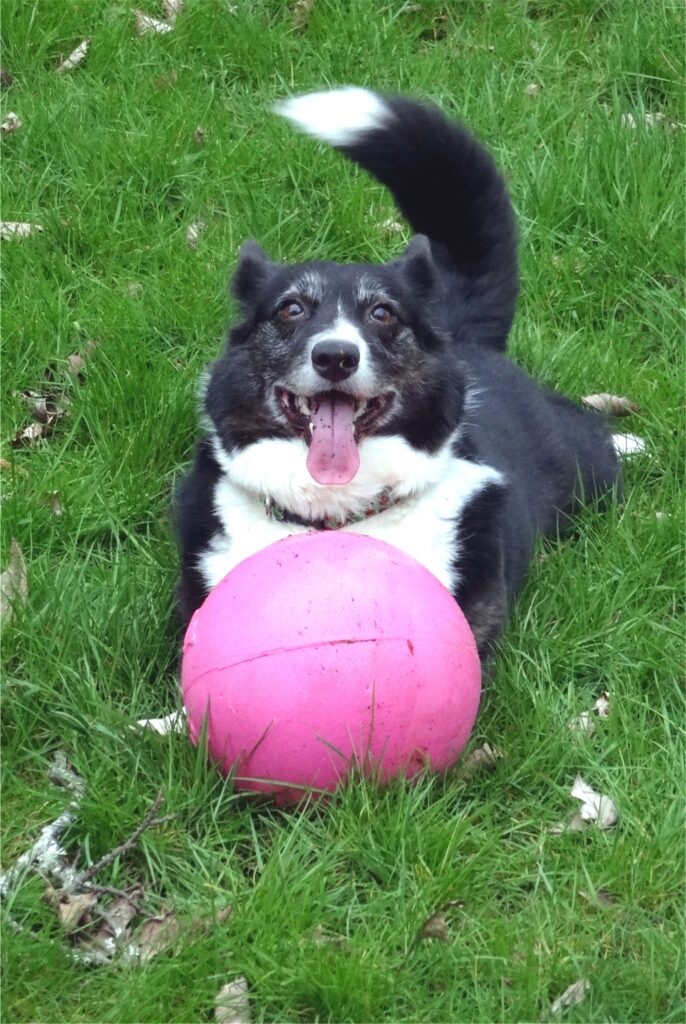
    imageimp cardigan 5217159

    It’s the universal sign of a happy dog, right? Not necessarily. While a wagging tail is often a greeting, it’s actually a sophisticated form of communication that carries many different meanings. From the speed of the flick to the direction of the swing, your dog’s tail is telling a story. In this guide, we’ll decode the secrets of tail wagging so you can better understand exactly what your furry friend is trying to tell you.

    We’ve all seen it: that frantic, thumping wag when you come home from work. While we usually interpret a wagging tail as a smile, it’s actually more like a social signal or a communication tool. Depending on the speed, height, and even the direction of the wag, your dog could be saying anything from “I’m thrilled” to “I’m feeling a bit nervous.”

    The Tail as a “Mood Meter”

    Think of the tail as a mirror of your dog’s emotions. To understand what they are saying, you have to look at the height of the tail:

    • High and Stiff: This usually indicates a dog is alert, agitated, or showing dominance.
    • Middle Height: Generally shows a relaxed, content dog.
    • Tucked or Low: This is a classic sign of fear, submission, or anxiety.

    Direction Matters: The Left vs. Right Theory

    Fascinating research has shown that the direction of a wag can reveal a dog’s feelings:

    • Wagging to the Right: Usually indicates positive emotions (like seeing their owner). This is linked to the left side of the brain, which governs approach behavior.
    • Wagging to the Left: Often indicates negative or “avoidance” emotions (like seeing a dominant dog they don’t know).

    The “Circle Wag” (The Helicopter)

    If your dog’s tail is moving in a full circle—often called the “Helicopter Wag”—you’ve hit the jackpot! This is the gold standard of doggy happiness. It usually happens when they see someone they truly love or are about to get their favorite treat.

    Why Don’t Puppies Wag Their Tails?

    Interestingly, puppies don’t start wagging their tails the moment they are born. Most don’t start until they are about 3 to 4 weeks old. This is because tail wagging is a social language used to communicate with others; since they are only nursing and sleeping at first, they don’t “need” to talk yet!

    It’s Not Always a Sign of Happiness

    This is the most important tip for dog owners: A wagging tail does not always mean a friendly dog. A dog that is feeling aggressive or territorial might wag its tail in short, fast, jerky movements (often called “flagging”). Always look at the rest of the dog’s body—like their ears and eyes—before approaching.

    You may also like: [Why Do Dogs Follow You Everywhere? 5 Reasons for Your “Velcro Dog”]

    [Why Do Dogs Howl? 5 Fascinating Reasons Behind the Noise]

  • Why Do Dogs Sleep So Much? The Science Behind Those Canine Naps

    pexels animal 1842195

    Do you ever look at your dog curled up on the rug and wonder, is it normal for them to sleep this much? From tiny puppies to senior hounds, dogs spend a significant portion of their lives in dreamland. While it might look like laziness, there are actually fascinating biological and evolutionary reasons for those long naps. In this guide, we explore the science of canine sleep and help you understand exactly how much rest your dog really needs.

    If it feels like your dog spends more time dreaming than playing, you aren’t imagining it. While the average human needs about 7–9 hours of sleep, our canine companions can easily clock in 12 to 14 hours a day. But why do they need so much shut-eye? Let’s look at the science of why your pup is a professional napper.

    Evolution and “The Predator’s Luxury”

    In the wild, dogs are predators. Unlike prey animals (like horses or rabbits) that must stay awake to watch for danger, predators can afford to sleep deeply between hunts. Your dog’s ancestors would expend massive amounts of energy in short bursts to catch food and then sleep for long periods to recover. Your pampered pup still has that “all-or-nothing” energy settings.

    They Are “Flexible” Sleepers

    Humans have a circadian rhythm—we sleep in one big chunk at night. Dogs, however, are flexible sleepers. They can fall asleep instantly when they are bored and wake up the second they hear the mail carrier or a bag of treats opening. Because their sleep is often interrupted, they need more of it throughout the day to feel rested.

    Different Sleep Cycles (REM vs. Non-REM)

    While humans spend about 25% of their sleep in REM (Rapid Eye Movement)—the deep, restorative sleep where dreaming happens—dogs only spend about 10% of their sleep in this stage. Because they are “light sleepers” and reach REM less frequently, they need more total hours of sleep to get the same restorative benefits we do.

    Age and Size Matter

    • Puppies: Just like human babies, puppies are growing at an incredible rate. They can sleep up to 18–20 hours a day to support their brain and body development.
    • Seniors: As dogs age, they tire out more easily and require more frequent rest.
    • Large Breeds: Surprisingly, bigger dogs (like Mastiffs or Great Danes) usually sleep more than smaller breeds. They are often called “mat-dogs” because they spend so much time lounging!

    Boredom

    Sometimes, a dog sleeps simply because there is nothing better to do. If you notice your dog sleeping more than usual, it might be a sign they need more mental stimulation or physical exercise during their “up” time.

    You may also like: [Why Do Dogs Follow You Everywhere? 5 Reasons for Your “Velcro Dog”]

    [Why Do Dogs Sniff Everything? The Science of the “Sniffari”]

  • 50 Unique Dog Names You’ll Love

    melissa197 dog 8781844

    Looking for a name that’s as rare as a silent puppy at mealtime? While classic names like Max and Bella will always have a place in our hearts, 2026 is all about individuality. Whether you’re inspired by the stars, ancient legends, or your favorite niche snack, finding a unique name is a great way to celebrate your dog’s personality. We’ve curated a list of 50 unique dog names that are perfect for owners who want their best friend to stand out from the crowd.

    Tired of hearing five different people call out “Luna” or “Charlie” at the dog park? You aren’t alone. More than ever, American pet parents are looking for names that are as one-of-a-kind as their pups. From celestial wonders to vintage gems, here are 50 unique names to help your dog stand out from the pack.

    Celestial & Cosmic Names

    For the dog that is the center of your universe.

    • Nova
    • Cosmo
    • Zenith
    • Lyra
    • Orion
    • Vesper
    • Eclipse
    • Stellan
    • Nebula
    • Quasar

    Earth & Botanical Finds

    Skip “Daisy” and try these rare nature-inspired monikers.

    • Sequoia
    • Cypress
    • Juniper
    • Bramble
    • Lark
    • Zinnia
    • Saffron
    • Clove
    • Aspen
    • Fennel

    Mythology & Legend

    Give your dog a name with history and power.

    • Eros
    • Freya
    • Fenrir
    • Juno
    • Loki
    • Nyx
    • Ajax
    • Valkyrie
    • Osiris
    • Echo

    Quirky & Fun Food Names

    Food names are huge in 2026, but these are the “hidden menu” options.

    • Mochi
    • Ube
    • Pesto
    • Churro
    • Kimchi
    • Biscotti
    • Sake
    • Fig
    • Cannoli
    • Tofu

    Vintage & “Old-Soul” Names

    Names that sound like they belong to a sophisticated gentleman or lady from the 1920s.

    • Archibald (Archie for short)
    • Beatrix
    • Caspian
    • Hattie
    • Otto
    • Theodora
    • Silas
    • Maude
    • Gulliver
    • Flora

    You may also like: [50 Best Dog Names for Male Puppies]

    [50 Best Dog Names for Female Puppies]

  • Why Do Dogs Follow You Everywhere? 5 Reasons for Your “Velcro Dog”

    couleur australian shepherd 3237735

    If you’ve ever felt like you have a furry shadow, you aren’t alone. Whether you’re heading to the kitchen or trying to have a private moment in the bathroom, your dog is likely right there with you. But why do they do it?

    The “Pack Mentality”

    Dogs are naturally pack animals. In the wild, staying close to the pack meant safety, warmth, and survival. Even though your dog is safe at home, their DNA tells them that being near their “alpha” (that’s you!) is the safest place to be.

    Positive Reinforcement

    Think about what happens when your dog follows you. Usually, it leads to something good! Whether it’s a stray scrap of food in the kitchen, a quick head scratch, or a walk, your dog has learned that following you equals rewards.

    The “Love” Hormone (Oxytocin)

    Science shows that when dogs and humans interact, both experience a surge in oxytocin, often called the “love hormone.” Your dog follows you because being near you literally makes them feel chemically happier and more relaxed.

    Curiosity and “FOMO”

    Dogs are naturally curious. To them, you are the source of all the action. When you stand up, they think, “Where are we going? Are we doing something fun? I don’t want to miss out!” This Fear Of Missing Out (FOMO) is a huge driver for canine behavior.

    They Are Protecting You

    In your dog’s mind, you are a valuable member of their family. By following you—especially into small rooms like the bathroom—they may feel they are “watching your back” while you are in a vulnerable position.

    When Should You Worry?

    Most of the time, being a “Velcro dog” is harmless. However, if your dog panics, destroys furniture, or cries excessively the moment they can’t follow you, it might be a sign of Separation Anxiety. If their following behavior is driven by fear rather than affection, it’s worth chatting with a professional trainer.

    You may also like: [Why Do Dogs Howl? 5 Fascinating Reasons Behind the Noise]

    [Why Do Dogs Sniff Everything? The Science of the “Sniffari”]

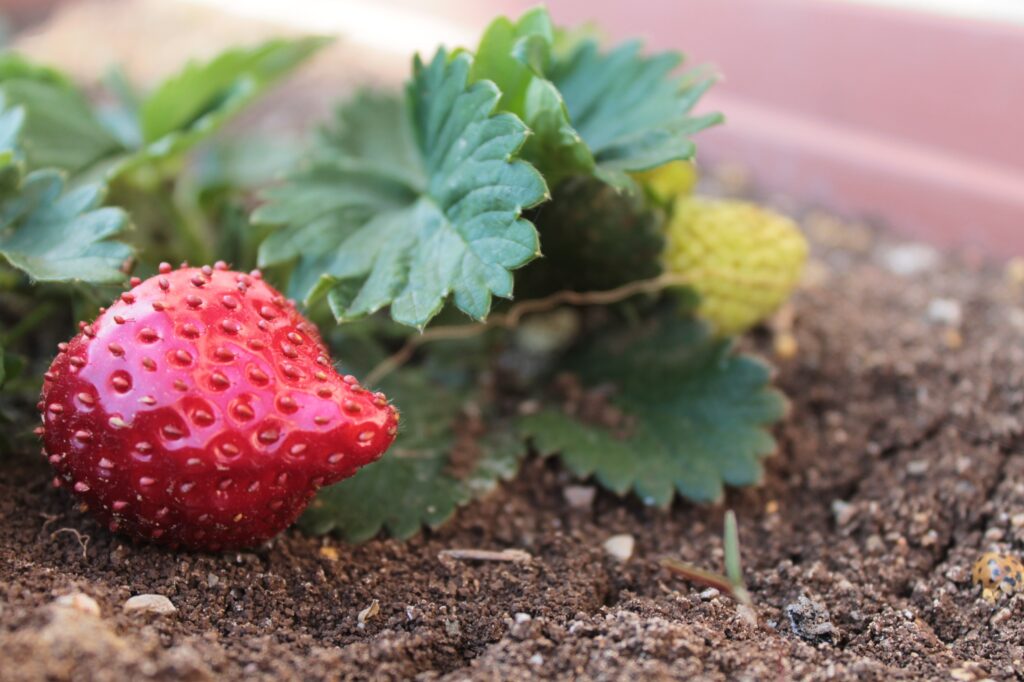
  • Can Dogs Eat Strawberries? A Sweet Treat Guide

    tednik strawberry 4667387

    The Short Answer: Yes!

    Looking to share a summer snack with your furry friend and wondering, can dogs eat strawberries? You’re in luck! Not only are strawberries safe for dogs, but they also provide a boost of antioxidants and even a natural teeth-whitening enzyme. In this guide, we’ll cover everything you need to know about feeding strawberries to your dog, from the health benefits to the important safety tips every pet parent should follow.

    The quick answer is yes, dogs can safely eat strawberries. In fact, these red berries are a healthy, low-calorie treat that most dogs absolutely love. However, like any human food, there are a few “rules of the road” to follow to keep your pup safe.

    The Health Benefits of Strawberries

    Strawberries are more than just a sweet snack; they are packed with nutrients that benefit your dog:

    • Vitamin C: A powerful antioxidant that supports the immune system.
    • High Fiber: Helps with healthy digestion.
    • Omega-3 Fatty Acids: Promotes a shiny coat and healthy skin.
    • The “Teeth Whitening” Enzyme: Strawberries contain malic acid, which can actually help whiten your dog’s teeth as they eat them!

    Important Safety Precautions

    While the fruit itself is safe, keep these three things in mind:

    • Remove the Stems: Always pull off the green leaves and stems. They aren’t toxic, but they can be difficult to digest and may cause an upset stomach.
    • Sugar Content: Strawberries contain natural sugar. While healthier than processed sugar, too much can lead to weight gain. Limit strawberries to an occasional treat.
    • Avoid Canned or Syrupy Strawberries: Never feed your dog strawberries that are in a can, a jar, or covered in syrup. These contain added sugars and artificial sweeteners like Xylitol, which is extremely toxic to dogs.

    How to Serve Strawberries to Your Dog

    • Fresh & Sliced: The safest way. Cut them into small, bite-sized pieces to prevent choking, especially for small breeds.
    • Frozen: A perfect “pup-sicle” for hot summer days in the backyard.
    • Mashed: Mix a few mashed strawberries into their plain Greek yogurt or cottage cheese for a special snack.

    You may also like: [Can Dogs Can Dogs Eat Eggs? The Sunny-Side Up Truth]

    [Can Dogs Eat Bananas? Everything You Need to Know]

    [Can Dogs Eat Pineapple? A Tropical Treat Guide]

  • 50 Best Dog Names for Female Puppies

    Welcoming a new female puppy into your home is an exciting milestone, but choosing her name can be a challenge! Do you go with something timeless like Daisy, or something modern like Nova? To make your decision easier, we’ve gathered the 50 best female dog names for 2026. Whether you’re looking for a name that’s sweet, strong, or nature-inspired, you’ll find plenty of inspiration for your new best friend right here.

    jaclou dl golden retriever puppy 3783506

    Finding the right name for your new girl is all about capturing her unique spirit. Whether she’s a tiny diva, a fierce protector, or a clumsy sweetheart, our list of the 50 best female dog names will help you find “the one.”

    The Top 10 Most Popular Picks

    These are the names currently trending at the top of US charts for their classic charm.

    • Bella
    • Luna
    • Daisy
    • Lucy
    • Lola
    • Sadie
    • Stella
    • Molly
    • Sophie
    • Penny

    Floral & Nature-Inspired

    Perfect for the pup who loves frolicking in the garden or joining you on trail runs.

    • Lily
    • Willow
    • Rosie
    • Ivy
    • Olive
    • Hazel
    • Poppy
    • Ginger
    • Jasmine
    • Flora

    Elegant & Sophisticated

    For the dog that carries herself with a bit of grace and “royal” energy.

    • Grace
    • Athena
    • Cleo
    • Ruby
    • Lady
    • Coco
    • Zelda
    • Pearl
    • Sasha
    • Harper

    Sweet & Sassy

    These names are short, punchy, and full of personality—ideal for spunky breeds.

    • Piper
    • Gia
    • Macy
    • Chloe
    • Zoey
    • Roxy
    • Lulu
    • Honey
    • Pixie
    • Nala

    Modern & Unique

    If you want something that stands out at the local dog park.

    • Nova
    • Koda
    • Indigo
    • Harlow
    • Skye
    • Wren
    • Juno
    • Remi
    • Winnie
    • Maeve

    You may also like: [50 Best Dog Names for Male Puppies]

    [50 Unique Dog Names You’ll Love]

  • 50 Best Dog Names for Male Puppies

    lauralucia puppy 4234435

    Are you searching for the perfect name for your new male puppy? With so many choices out there, finding “the one” can feel overwhelming. In this guide, we’ve curated a list of the 50 best male dog names currently trending in the US. Whether you’re looking for a strong, powerful name or something modern and unique, our categorized list will help you find a name that both you and your pup will love.

    The Top 10 All-Time Favorites

    These names consistently top the charts in the US for their simple, friendly, and classic appeal.

    • Max
    • Charlie
    • Cooper
    • Buddy
    • Milo
    • Bear
    • Rocky
    • Duke
    • Teddy
    • Jack

    Strong & Powerful Names

    Perfect for large breeds or puppies with a “big dog” personality.

    • Thor
    • Zeus
    • Titan
    • Maverick
    • Diesel
    • Apollo
    • Odin
    • Gunner
    • Rex
    • King

    Trendy & Modern Picks

    If you want a name that feels current and stylish, these are the ones gaining popularity right.

    • Finn
    • Arlo
    • Kai
    • Jax
    • Leo
    • Archer
    • Zeke
    • River
    • Atlas
    • Beau

    Nature & Adventure Inspired

    For the dog that will be your favorite hiking and camping partner.

    • Forest
    • Hunter
    • Shadow
    • Storm
    • Blaze
    • Oakley
    • Ash
    • Sky
    • Ridge
    • Wilder

    Cute & Charismatic Names

    These names are full of personality and perfect for a puppy that loves to cuddle.

    • Ollie
    • Benny
    • Winston
    • Gizmo
    • Ziggy
    • Otis
    • Cookie
    • Chewie
    • Gus
    • Murphy

    Choosing the right name for your male puppy should be fun, not stressful. Whether you prefer a strong, cute, or unique name, the best choice is one that feels natural and matches your dog’s personality.

    You may also like: [50 Unique Dog Names You’ll Love]

    [50 Best Dog Names for Female Puppies]

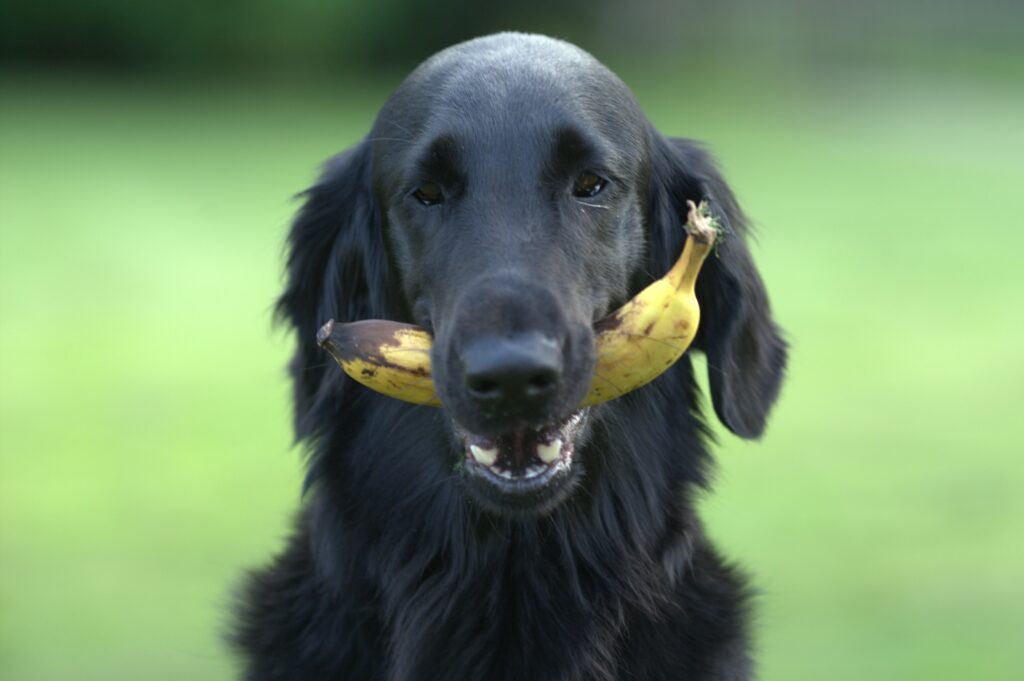
  • Can Dogs Eat Bananas? Everything You Need to Know

    karisjo flatcoated 3465443

    The Short Answer: Yes!

    The good news is that bananas are 100% safe for dogs and can actually be a healthy, low-calorie treat. Unlike many human snacks, bananas are non-toxic and packed with essential vitamins that benefit your pup’s health.

    The Health Benefits of Bananas for Dogs

    Bananas aren’t just tasty; they are a nutritional powerhouse. When fed in moderation, they provide:

    • Potassium: Supports healthy heart and kidney function.
    • Vitamin B6: Helps with cognitive function and hormone regulation.
    • Vitamin C: An antioxidant that boosts the immune system.
    • Fiber: Great for digestion (though too much can have the opposite effect!).
    • Magnesium: Promotes healthy bone growth and helps the body absorb vitamins.

    The Golden Rule: Moderation is Key

    While bananas are healthy, they are also high in sugar. Too much sugar can lead to weight gain or upset stomachs.

    Most veterinarians recommend the 90/10 rule: 90% of your dog’s daily calories should come from balanced dog food, and only 10% from treats.

    • Large dogs: Can enjoy half a banana a day.
    • Small dogs: Should only have a few small slices.

    Can Dogs Eat Banana Peels?

    No. While the peel isn’t toxic, it is very high in fiber and extremely difficult for dogs to digest. Eating a peel can cause a serious digestive blockage or an upset stomach. Always peel the banana before sharing it with your furry friend.

    How to Serve Bananas to Your Dog

    • Fresh Slices: Simple and easy.
    • Frozen: Great for a refreshing summer treat or to soothe teething puppies.
    • Mashed: Mix a little into their usual kibble for an extra flavor boost.
    • DIY Treats: Mash a banana with some peanut butter (xylitol-free!) and oats to bake homemade dog biscuits.

    You may also like: [Can Dogs Eat Eggs? The Sunny-Side Up Truth]

    [CanCan Dogs Eat Strawberries? A Sweet Treat Guide]

  • Dog Age Calculator: How Old is Your Dog in Human Years?

    422737 german longhaired pointer 782498

    The 7-Year Myth

    For decades, we’ve been told that one dog year equals seven human years. While that’s a simple way to estimate, it’s not actually accurate. Dogs age much faster in their first two years of life, and their size plays a massive role in how they age thereafter.

    The New Science of Aging

    According to recent studies (including research from the University of California, San Diego), the aging process is more of a curve than a straight line.

    • Puppyhood: A one-year-old dog is roughly equivalent to a 15-year-old human.
    • Adulthood: By age two, a dog is about 24 in human years.
    • Senior Years: After age two, the “calculation” changes based on whether your dog is Small, Medium, Large, or Giant.

    Dog Age Conversion Chart

    You can use this guide to help your readers estimate their dog’s age:

    Dog AgeSmall (under 20 lbs)Medium (21-50 lbs)Large (51-90 lbs)Giant (90+ lbs)
    1 Year15 years15 years15 years12 years
    2 Years24 years24 years24 years22 years
    5 Years36 years37 years40 years45 years
    10 Years56 years60 years66 years78 years
    15 Years76 years83 years93 years115+ years

    Why Size Matters

    It’s one of nature’s mysteries: smaller dogs generally live significantly longer than larger breeds. A Great Dane is considered a “senior” by age 6, whereas a Chihuahua might not reach that milestone until age 10 or 11.

    You may also like: [Why Is My Dog Vomiting? When to Worry and What to Do]

    [Why Is My Dog Not Eating? Causes, Concerns, and What to Do]

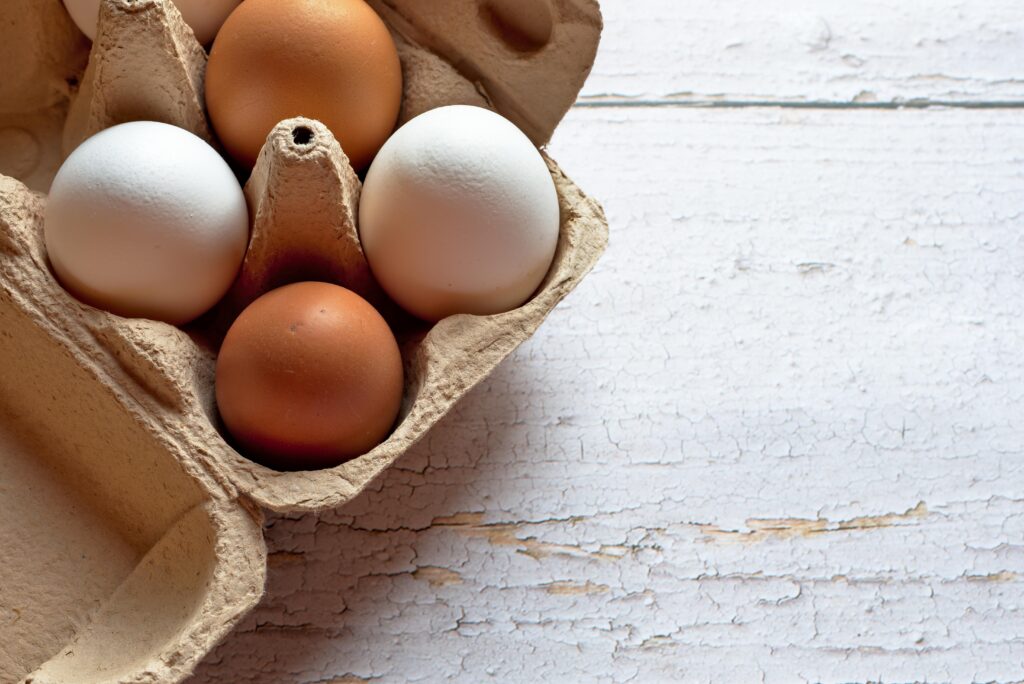
  • Can Dogs Eat Eggs? The Sunny-Side Up Truth

    peggychoucair easter eggs 6035549

    The Short Answer: Yes, Absolutely!

    Eggs are not only safe for dogs, but they are also one of the most complete and nutritious snacks you can provide. They are a fantastic source of protein, fatty acids, and essential vitamins that help support your dog’s health from the inside out.

    The Nutritional Power of Eggs

    Eggs are often called a “superfood” for dogs because they contain:

    • High-Quality Protein: Provides the amino acids needed for muscle repair and growth.
    • Riboflavin (Vitamin B2): Supports energy metabolism.
    • Selenium: A powerful antioxidant.
    • Vitamin A: Essential for healthy skin, coat, and eye health.
    • Fatty Acids: Great for maintaining a shiny, soft coat and healthy skin.

    Can Dogs Eat Raw Eggs?

    While some proponents of raw feeding suggest it, most American veterinarians do not recommend raw eggs. There are two main risks:

    • Salmonella: Just like humans, dogs can get sick from bacteria found in raw eggs.
    • Biotin Deficiency: Raw egg whites contain avidin, an enzyme that interferes with the absorption of biotin (Vitamin B7), which can lead to skin and coat issues over time.

    The Verdict: Cooking the eggs neutralizes these risks, making them perfectly safe.

    How to Feed Eggs to Your Dog

    • Hard-Boiled: Easy to slice and use as a high-value training treat.
    • Scrambled: A perfect meal topper (just don’t use butter or salt!).
    • Poached: A great way to cook them without adding any fats or oils.

    Important Note: Never add salt, pepper, butter, onions, or garlic when cooking eggs for your dog. These common kitchen ingredients can be toxic or cause digestive distress.

    You may also like: [Can Dogs Eat Bananas?]

    [CanCan Dogs Eat Strawberries? A Sweet Treat Guide]