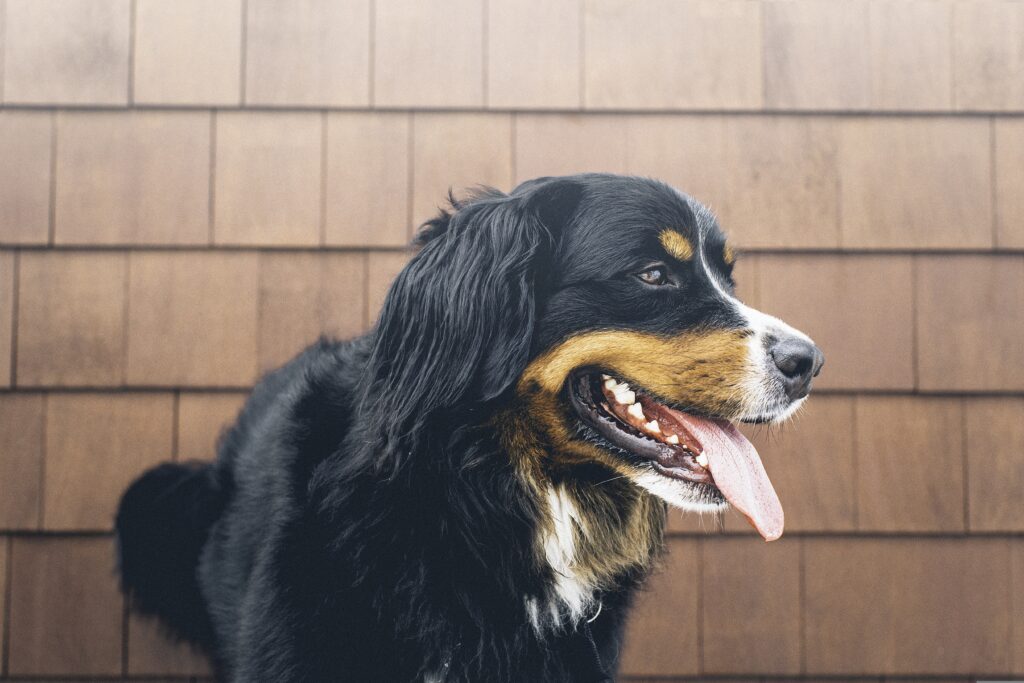
Panting is a normal part of being a dog, but as an owner, it’s natural to feel concerned when it seems excessive. Since dogs don’t sweat like humans do, they rely on panting as their primary way to cool down. However, if you are asking, “why is my dog panting so much?” and the environment isn’t particularly hot, it could be a sign of something more than just a warm day. Understanding the difference between normal cooling and abnormal distress is vital for your pet’s well-being. In this guide, we’ll explore the common reasons for heavy panting and the red flags you should never ignore.
Common Reasons for Panting
Cooling Down (The Most Common Cause):
- Dogs pant to evaporate moisture from their tongues and lungs, which helps regulate their body temperature after exercise or in warm weather.
Anxiety and Stress:
- Emotional distress—like thunder, fireworks, or a vet visit—often triggers heavy panting as part of the “fight or flight” response.
Pain or Discomfort:
- Dogs are experts at hiding pain. Sometimes, the only outward sign that a dog is hurting (from an injury or an upset stomach) is unexplained, heavy panting.
Excitement:
- Happy panting often happens when you come home or when it’s time for a walk. This is usually accompanied by a wagging tail and a relaxed posture.
When It Is an Emergency
Panting can sometimes indicate a serious medical issue. Seek veterinary care immediately if you notice:
- Heatstroke: Extreme panting, dark red gums, and lethargy after being in the sun or a hot car.
- Difficulty Breathing: If your dog seems to be struggling for air or if their tongue/gums look blue or purple.
- Poisoning: Heavy panting combined with vomiting or tremors.
- Heart Issues: Consistent heavy breathing even when the dog has been resting in a cool environment.
You may also like: [Why Do Dogs Follow You Everywhere? 5 Reasons for Your “Velcro Dog”]
[Why Is My Dog Barking So Much? Understanding Canine Communication]
Leave a Reply