Categoria: Pet Food

  • Can Dogs Eat Tomatoes? The Green vs. Red Rule

    pexels zandatsu 31508564

    Adding a fresh slice of tomato to your salad and wondering, can dogs eat tomatoes too? While these garden favorites are a staple in American kitchens, they come with a specific set of rules for our canine companions. From the antioxidant benefits of lycopene to the hidden dangers of the “green” parts of the plant, there is a lot to consider before sharing a snack. In this guide, we’ll explain how to safely serve tomatoes to your dog and how to spot the signs of tomato poisoning.

    The Short Answer: Yes, But Only When Ripe!

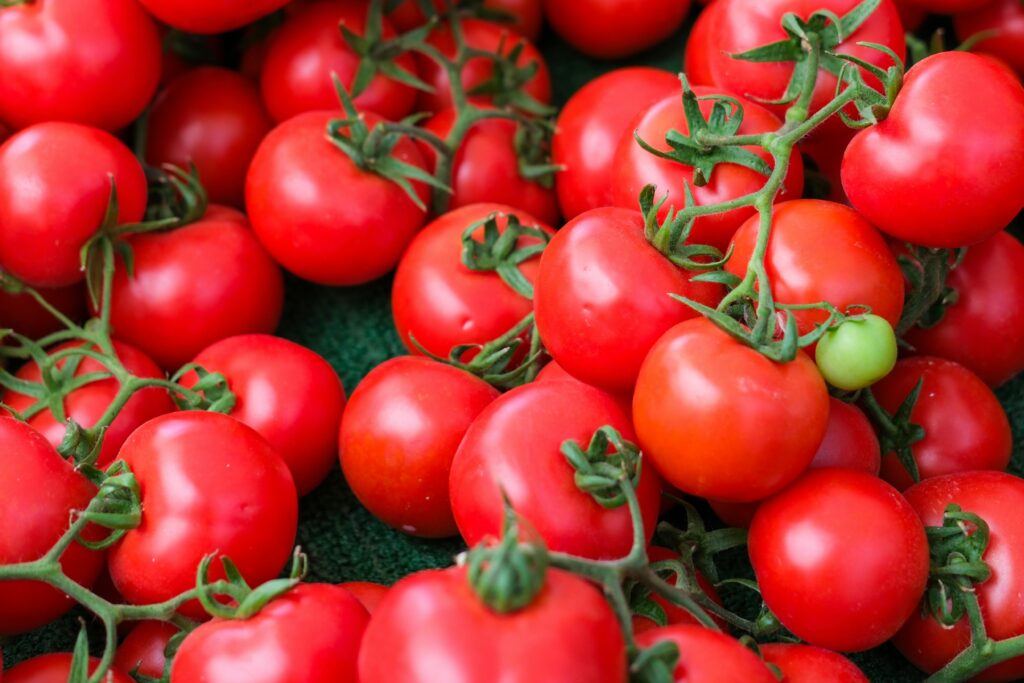
    The quick answer is yes, dogs can eat plain, red, ripe tomatoes in small amounts. However, the green parts of the tomato plant—including the stem, leaves, and unripened fruit—contain a substance called tomatine, which can be toxic to dogs in large quantities.

    The Danger of Tomatine (Tomato Poisoning)

    Tomatoes belong to the nightshade family of vegetables. While the red flesh of a ripe tomato has very little tomatine, the green parts are highly concentrated with it. If a dog ingests too much “green,” they can suffer from tomato plant poisoning.

    Symptoms to watch for:

    • Gastrointestinal upset (vomiting or diarrhea)
    • Loss of coordination
    • Muscle weakness
    • Hypersalivation (excessive drooling)

    The Health Benefits of Ripe Tomatoes

    When served ripe and in moderation, tomatoes offer some great nutrients:

    • Lycopene: A powerful antioxidant that supports heart health and bone strength.
    • Beta-carotene: Supports eye health and skin regeneration.
    • Fiber: Aids in healthy digestion.
    • Potassium: Essential for nerve and muscle function.

    Important Serving Rules

    • Red & Ripe Only: Ensure the tomato is completely red. If it has any green “shoulders” or patches, keep it away from your dog.
    • Remove Stems and Leaves: Always pull off the vine and the green top before sharing.
    • No Sauces or Seasonings: Never feed your dog tomato sauce, ketchup, or soup. These often contain onions, garlic, and high levels of sodium, all of which are dangerous for dogs.
    • Bite-Sized Pieces: Slicing cherry tomatoes or dicing larger ones helps prevent choking.

    You may also like: [Can Dogs Eat Bananas?]

    [Can Dogs Eat Yogurt? The Probiotic Powerhouse]

    [Can Dogs Eat Mango? A Sweet Summer Treat Guide]

  • Can Dogs Eat Mango? A Sweet Summer Treat Guide

    pexels ssofieslaninova 34051744

    The Short Answer: Yes, Absolutely!

    Looking for a tropical way to reward your pup and wondering, can dogs eat mango? You’re in luck! This sweet, juicy fruit is a nutritional powerhouse for canines, offering a boost of vitamins and antioxidants. However, before you share a slice, it’s vital to know which parts of the mango are safe and which pose a serious choking risk. In this guide, we’ll cover everything you need to know about feeding mango to your dog safely.

    The quick answer is yes, dogs can safely eat mango. This juicy tropical fruit is packed with essential vitamins and is a hit with most dogs due to its soft texture and sweet taste. However, there are a few “hidden dangers” in the pit and the skin that every pet parent needs to know.

    The Nutritional Benefits of Mango

    Mangoes aren’t just tasty; they are loaded with nutrients that support canine health:

    • Vitamin A: Promotes good vision, especially in senior dogs, and supports the immune system.
    • Vitamin B6, C, and E: This “power trio” of vitamins helps with everything from brain function to skin health and reducing inflammation.
    • Antioxidants: Helps fight free radicals and supports overall cellular health.
    • Dietary Fiber: Great for digestion (though too much can lead to an upset stomach).

    The “Danger Zone”: Pits and Skins

    While the fruit’s flesh is safe, the rest of the mango requires caution:

    • The Pit (Stone): Never let your dog chew on a mango pit. It is a major choking hazard and can cause a deadly intestinal blockage. Furthermore, mango pits contain small amounts of cyanide, which is toxic to dogs.
    • The Skin: While not technically toxic, mango skin is very tough and difficult for dogs to digest. It’s best to peel the fruit completely to avoid tummy aches.
    • Sugar Content: Mangoes are high in natural sugar. If your dog is overweight or diabetic, stick to lower-sugar fruits like blueberries or skip the mango altogether.

    How to Serve Mango to Your Dog

    • Fresh Slices: Peel the fruit, remove the pit, and cut the flesh into small, bite-sized chunks.
    • Frozen Treats: Frozen mango chunks are a perfect “cool-down” snack for a hot afternoon in the backyard.
    • Mango Puree: Blend fresh mango and pour it over their kibble as a “tropical topper.”

    You may also like: [Can Dogs Eat Yogurt? The Probiotic Powerhouse]

    [Can Dogs Eat Pineapple? A Tropical Treat Guide]

    [Can Dogs Eat Strawberries? A Sweet Treat Guide]

  • Can Dogs Eat Yogurt? The Probiotic Powerhouse

    pexels n voitkevich 4641850

    The Short Answer: Yes, But with One Big Catch!

    Looking for a healthy way to boost your pup’s digestive health? You might have wondered, can dogs eat yogurt? While many dairy products are off-limits for canines, plain yogurt can actually be a protein-packed snack full of beneficial probiotics. However, not all yogurts are created equal. In this guide, we’ll explain the benefits of feeding yogurt to your dog, how to identify toxic ingredients like Xylitol, and why Greek yogurt might be the best choice for your furry friend.

    Yogurt is safe for most dogs and can actually be a nutritional powerhouse. It is high in calcium and protein, and it contains live active cultures that act as probiotics. However, while the yogurt itself is fine, many of the additives found in human yogurt can be dangerous—or even fatal—to dogs.

    The Health Benefits of Yogurt for Dogs

    When fed correctly, yogurt can support your dog’s health in several ways:

    • Probiotics: Live bacteria like Lactobacillus help maintain a healthy balance of gut flora, which can improve digestion and boost the immune system.
    • Calcium: Essential for maintaining strong bones and teeth.
    • Protein: Great for muscle maintenance and energy.
    • Digestive Aid: Sometimes recommended by vets to help settle a dog’s stomach after a round of antibiotics.

    The Danger Zone: What to Avoid

    Before you scoop some yogurt into your dog’s bowl, check the label for these “Red Flags”:

    • Xylitol (Birch Sugar): This is the biggest danger. Many “low-fat” or “sugar-free” yogurts use Xylitol as a sweetener. It is extremely toxic to dogs and causes life-threatening drops in blood sugar.
    • Sugar: Regular sugar isn’t toxic, but it causes inflammation, weight gain, and dental issues.
    • Flavors: Avoid vanilla, chocolate, or fruit-on-the-bottom yogurts. These contain syrups and artificial flavors that can cause upset stomachs.
    • Lactose Intolerance: Some dogs cannot digest dairy well. If your dog gets gas, diarrhea, or starts vomiting after eating yogurt, they may be lactose intolerant.

    The Best Type of Yogurt for Dogs

    The “Gold Standard” for dogs is Plain, Unsweetened Greek Yogurt. Greek yogurt is superior because much of the whey (which contains the most lactose) is strained out during processing, making it easier for dogs to digest than regular yogurt.

    You may also like: [Can Dogs Eat Pineapple? A Tropical Treat Guide]

    [Can Dogs Eat Strawberries? A Sweet Treat Guide]

    [Can Dogs Eat Bananas? Everything You Need to Know]

  • Can Dogs Eat Pineapple? A Tropical Treat Guide

    pexels shvets production 7194897

    The Short Answer: Yes, In Moderation!

    Thinking of sharing a tropical snack with your pup and wondering, can dogs eat pineapple? The answer is a resounding yes! When served correctly, pineapple is a nutrient-dense treat that offers impressive health benefits for your furry friend. In this guide, we’ll explore the vitamins found in this tropical fruit, the parts you must avoid, and the best ways to serve pineapple to your dog safely.

    Raw pineapple is a safe and healthy snack for dogs. This prickly fruit is loaded with vitamins and minerals that can support your dog’s immune system and digestive health. However, because of its high natural sugar and fiber content, it should be treated as an occasional reward rather than a meal staple.

    The Health Benefits of Pineapple

    Pineapple is much more than just a sweet treat. It contains:

    • Bromelain: An enzyme that helps dogs digest proteins and has anti-inflammatory properties.
    • Vitamin C: Supports the immune system and reduces inflammation.
    • Manganese: Essential for healthy bone structure and metabolic function.
    • Hydration: Pineapple is about 86% water, making it a great hydrating snack on a hot day.

    Important Safety Guidelines

    To keep your dog safe, follow these “Pineapple Rules”:

    • Avoid the Core and Skin: The tough central core and the prickly outer skin are major choking hazards and can cause intestinal blockages. Only feed your dog the soft, fleshy part of the fruit.
    • Raw is Best: Only feed your dog fresh, raw pineapple.
    • SKIP Canned Pineapple: Canned pineapple is usually packed in heavy syrup. This extra sugar is bad for dogs and can lead to obesity or even pancreatitis in sensitive pups.
    • Watch the Sugar: Even fresh pineapple is high in sugar. If your dog is diabetic or overweight, consult your vet before adding this to their diet.

    How to Serve Pineapple to Your Dog

    • Fresh Chunks: Small, bite-sized pieces are perfect.
    • Frozen Cubes: A fantastic, crunchy “pup-sicle” for hot summer afternoons.
    • Pineapple Puree: Blend fresh pineapple and freeze it in a silicone mold for a healthy, one-ingredient treat.

    You may also like: [Can Dogs Can Dogs Eat Eggs? The Sunny-Side Up Truth]
    [Can Dogs Eat Strawberries? A Sweet Treat Guide]

    [Can Dogs Eat Bananas? Everything You Need to Know]

  • Can Dogs Eat Bananas? Everything You Need to Know

    karisjo flatcoated 3465443

    The Short Answer: Yes!

    The good news is that bananas are 100% safe for dogs and can actually be a healthy, low-calorie treat. Unlike many human snacks, bananas are non-toxic and packed with essential vitamins that benefit your pup’s health.

    The Health Benefits of Bananas for Dogs

    Bananas aren’t just tasty; they are a nutritional powerhouse. When fed in moderation, they provide:

    • Potassium: Supports healthy heart and kidney function.
    • Vitamin B6: Helps with cognitive function and hormone regulation.
    • Vitamin C: An antioxidant that boosts the immune system.
    • Fiber: Great for digestion (though too much can have the opposite effect!).
    • Magnesium: Promotes healthy bone growth and helps the body absorb vitamins.

    The Golden Rule: Moderation is Key

    While bananas are healthy, they are also high in sugar. Too much sugar can lead to weight gain or upset stomachs.

    Most veterinarians recommend the 90/10 rule: 90% of your dog’s daily calories should come from balanced dog food, and only 10% from treats.

    • Large dogs: Can enjoy half a banana a day.
    • Small dogs: Should only have a few small slices.

    Can Dogs Eat Banana Peels?

    No. While the peel isn’t toxic, it is very high in fiber and extremely difficult for dogs to digest. Eating a peel can cause a serious digestive blockage or an upset stomach. Always peel the banana before sharing it with your furry friend.

    How to Serve Bananas to Your Dog

    • Fresh Slices: Simple and easy.
    • Frozen: Great for a refreshing summer treat or to soothe teething puppies.
    • Mashed: Mix a little into their usual kibble for an extra flavor boost.
    • DIY Treats: Mash a banana with some peanut butter (xylitol-free!) and oats to bake homemade dog biscuits.

    You may also like: [Can Dogs Eat Eggs? The Sunny-Side Up Truth]

    [CanCan Dogs Eat Strawberries? A Sweet Treat Guide]

  • Can Dogs Eat Eggs? The Sunny-Side Up Truth

    peggychoucair easter eggs 6035549

    The Short Answer: Yes, Absolutely!

    Eggs are not only safe for dogs, but they are also one of the most complete and nutritious snacks you can provide. They are a fantastic source of protein, fatty acids, and essential vitamins that help support your dog’s health from the inside out.

    The Nutritional Power of Eggs

    Eggs are often called a “superfood” for dogs because they contain:

    • High-Quality Protein: Provides the amino acids needed for muscle repair and growth.
    • Riboflavin (Vitamin B2): Supports energy metabolism.
    • Selenium: A powerful antioxidant.
    • Vitamin A: Essential for healthy skin, coat, and eye health.
    • Fatty Acids: Great for maintaining a shiny, soft coat and healthy skin.

    Can Dogs Eat Raw Eggs?

    While some proponents of raw feeding suggest it, most American veterinarians do not recommend raw eggs. There are two main risks:

    • Salmonella: Just like humans, dogs can get sick from bacteria found in raw eggs.
    • Biotin Deficiency: Raw egg whites contain avidin, an enzyme that interferes with the absorption of biotin (Vitamin B7), which can lead to skin and coat issues over time.

    The Verdict: Cooking the eggs neutralizes these risks, making them perfectly safe.

    How to Feed Eggs to Your Dog

    • Hard-Boiled: Easy to slice and use as a high-value training treat.
    • Scrambled: A perfect meal topper (just don’t use butter or salt!).
    • Poached: A great way to cook them without adding any fats or oils.

    Important Note: Never add salt, pepper, butter, onions, or garlic when cooking eggs for your dog. These common kitchen ingredients can be toxic or cause digestive distress.

    You may also like: [Can Dogs Eat Bananas?]

    [CanCan Dogs Eat Strawberries? A Sweet Treat Guide]