Welcome to PetCareTipsHub: Your Ultimate Guide to a Happy, Healthy Dog

Making Dog Ownership Easier, Safer, and More Enjoyable

At PetCareTipsHub, we believe that being a dog parent is one of life’s greatest joys—but it also comes with plenty of questions. Whether you’re wondering, “Can my dog eat this?” or trying to decode why your pup is digging up the backyard, we are here to provide the answers you need.

Our mission is to empower dog owners with clear, reliable, and actionable advice. From the first day you bring a new puppy home to the golden years of a senior dog, our expert guides cover everything you need to navigate life with your best friend.

  • Can Dogs Eat Tomatoes? The Green vs. Red Rule

    pexels zandatsu 31508564

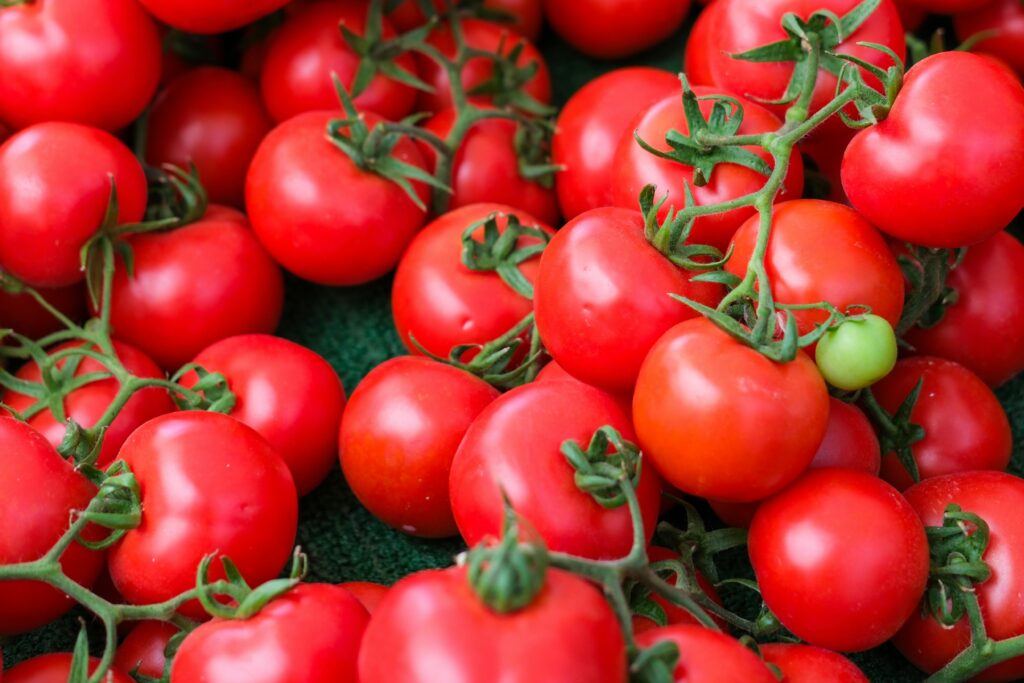
    Adding a fresh slice of tomato to your salad and wondering, can dogs eat tomatoes too? While these garden favorites are a staple in American kitchens, they come with a specific set of rules for our canine companions. From the antioxidant benefits of lycopene to the hidden dangers of the “green” parts of the plant, there is a lot to consider before sharing a snack. In this guide, we’ll explain how to safely serve tomatoes to your dog and how to spot the signs of tomato poisoning.

    The Short Answer: Yes, But Only When Ripe!

    The quick answer is yes, dogs can eat plain, red, ripe tomatoes in small amounts. However, the green parts of the tomato plant—including the stem, leaves, and unripened fruit—contain a substance called tomatine, which can be toxic to dogs in large quantities.

    The Danger of Tomatine (Tomato Poisoning)

    Tomatoes belong to the nightshade family of vegetables. While the red flesh of a ripe tomato has very little tomatine, the green parts are highly concentrated with it. If a dog ingests too much “green,” they can suffer from tomato plant poisoning.

    Symptoms to watch for:

    • Gastrointestinal upset (vomiting or diarrhea)
    • Loss of coordination
    • Muscle weakness
    • Hypersalivation (excessive drooling)

    The Health Benefits of Ripe Tomatoes

    When served ripe and in moderation, tomatoes offer some great nutrients:

    • Lycopene: A powerful antioxidant that supports heart health and bone strength.
    • Beta-carotene: Supports eye health and skin regeneration.
    • Fiber: Aids in healthy digestion.
    • Potassium: Essential for nerve and muscle function.

    Important Serving Rules

    • Red & Ripe Only: Ensure the tomato is completely red. If it has any green “shoulders” or patches, keep it away from your dog.
    • Remove Stems and Leaves: Always pull off the vine and the green top before sharing.
    • No Sauces or Seasonings: Never feed your dog tomato sauce, ketchup, or soup. These often contain onions, garlic, and high levels of sodium, all of which are dangerous for dogs.
    • Bite-Sized Pieces: Slicing cherry tomatoes or dicing larger ones helps prevent choking.

    You may also like: [Can Dogs Eat Bananas?]

    [Can Dogs Eat Yogurt? The Probiotic Powerhouse]

    [Can Dogs Eat Mango? A Sweet Summer Treat Guide]

  • Why Is My Dog Not Eating? Causes, Concerns, and What to Do

    pexels freestocks 688961

    It’s a worrying sight for any pet parent: a full food bowl and a dog that won’t take a bite. If you’re asking yourself, why is my dog not eating?, you’re likely dealing with anything from a minor behavioral quirk to a potential health concern. In this guide, we’ll explore the most common reasons for a loss of appetite in dogs, how to tell if it’s a medical emergency, and simple tips to encourage your picky eater to finish their meal.

    It’s one of the most stressful moments for a pet parent: you put down the food bowl, and your dog simply walks away. While some dogs are naturally “picky eaters,” a sudden loss of appetite is often a signal that something—either physically or emotionally—is off. Here is a guide to understanding why your dog might be on a “hunger strike.”

    Medical Issues

    If your dog suddenly stops eating, the first priority is ruling out a health problem. Common medical reasons include:

    • Dental Pain: Broken teeth, gum disease, or oral tumors can make chewing painful.
    • Infections or Illness: Fever, kidney failure, liver issues, or even a simple “stomach bug” can kill a dog’s appetite.
    • Medication Side Effects: If your dog recently started a new medication (like an antibiotic or NSAID), it might be causing nausea.

    Emotional or Environmental Stress

    Dogs are creatures of habit. Changes in their environment can lead to a temporary loss of appetite:

    • Travel or Moving: Moving to a new home or staying in a boarding kennel is stressful.
    • New Family Members: A new baby, a new pet, or even a houseguest can disrupt their routine.
    • Separation Anxiety: Many dogs refuse to eat when their favorite person is away.

    Pickiness and Behavioral Issues

    In the US, many dogs have “trained” their owners to provide better food.

    • Waiting for the “Good Stuff”: If you frequently feed your dog table scraps or high-value treats, they may hold out and refuse their kibble in hopes of getting a piece of your chicken dinner.
    • Boredom: Sometimes, dogs simply get tired of the same flavor day after day.

    Food Quality Issues

    Before rushing to the vet, check the bowl:

    • Spoiled Food: Kibble can go rancid if stored in a warm area or if the bag has been open for too long.
    • Recall Alerts: Check if your dog’s specific brand has any recent safety recalls.

    You may also like: [Dog Age Calculator: How Old is Your Dog in Human Years?]

    [Why Is My Dog Vomiting? When to Worry and What to Do]

  • Can Dogs Eat Mango? A Sweet Summer Treat Guide

    pexels ssofieslaninova 34051744

    The Short Answer: Yes, Absolutely!

    Looking for a tropical way to reward your pup and wondering, can dogs eat mango? You’re in luck! This sweet, juicy fruit is a nutritional powerhouse for canines, offering a boost of vitamins and antioxidants. However, before you share a slice, it’s vital to know which parts of the mango are safe and which pose a serious choking risk. In this guide, we’ll cover everything you need to know about feeding mango to your dog safely.

    The quick answer is yes, dogs can safely eat mango. This juicy tropical fruit is packed with essential vitamins and is a hit with most dogs due to its soft texture and sweet taste. However, there are a few “hidden dangers” in the pit and the skin that every pet parent needs to know.

    The Nutritional Benefits of Mango

    Mangoes aren’t just tasty; they are loaded with nutrients that support canine health:

    • Vitamin A: Promotes good vision, especially in senior dogs, and supports the immune system.
    • Vitamin B6, C, and E: This “power trio” of vitamins helps with everything from brain function to skin health and reducing inflammation.
    • Antioxidants: Helps fight free radicals and supports overall cellular health.
    • Dietary Fiber: Great for digestion (though too much can lead to an upset stomach).

    The “Danger Zone”: Pits and Skins

    While the fruit’s flesh is safe, the rest of the mango requires caution:

    • The Pit (Stone): Never let your dog chew on a mango pit. It is a major choking hazard and can cause a deadly intestinal blockage. Furthermore, mango pits contain small amounts of cyanide, which is toxic to dogs.
    • The Skin: While not technically toxic, mango skin is very tough and difficult for dogs to digest. It’s best to peel the fruit completely to avoid tummy aches.
    • Sugar Content: Mangoes are high in natural sugar. If your dog is overweight or diabetic, stick to lower-sugar fruits like blueberries or skip the mango altogether.

    How to Serve Mango to Your Dog

    • Fresh Slices: Peel the fruit, remove the pit, and cut the flesh into small, bite-sized chunks.
    • Frozen Treats: Frozen mango chunks are a perfect “cool-down” snack for a hot afternoon in the backyard.
    • Mango Puree: Blend fresh mango and pour it over their kibble as a “tropical topper.”

    You may also like: [Can Dogs Eat Yogurt? The Probiotic Powerhouse]

    [Can Dogs Eat Pineapple? A Tropical Treat Guide]

    [Can Dogs Eat Strawberries? A Sweet Treat Guide]

  • Why Do Dogs Sniff Everything? The Science of the “Sniffari”

    pexels kureng workx 2546437 7631406

    Do you ever feel like your daily walk is more of a “stop-and-sniff” session than a workout? If you’ve ever wondered, why do dogs sniff everything?, you’re about to discover a hidden world of communication. For dogs, a single sniff provides a wealth of information that we can barely imagine. In this guide, we’ll explore the incredible science behind your dog’s nose, from the “social media” of fire hydrants to how sniffing can actually help calm your pup’s anxiety.

    If you’ve ever taken your dog for a walk, you know the feeling: you’re ready for a brisk exercise, but your dog wants to stop and investigate every single blade of grass and fire hydrant. While it might seem like they are just being stubborn, your dog is actually “reading” the world. For a canine, sniffing is more than just a sense—it’s how they process information.

    A Super-Powered Sense of Smell

    To understand why they sniff so much, you have to look at the hardware. Humans have about 5 million olfactory receptors in our noses. Dogs? They have up to 300 million. Additionally, the part of a dog’s brain that analyzes smells is, proportionally, 40 times larger than ours. When they sniff, they aren’t just smelling “grass”; they are smelling who was there, what they ate, and even how they were feeling.

    The Jacobson’s Organ (Vomeronasal Organ)

    Dogs have a special “second” smelling system located in the roof of their mouth called the Jacobson’s organ. This organ is specifically designed to detect pheromones—chemical signals that animals leave behind. This allows your dog to “taste-smell” chemical messages that tell them if another dog is a friend or foe, or if a female is in heat.

    Reading the “Pee-mail”

    In the US, trainers often joke that hydrants and light poles are the “social media” of the dog world. When your dog sniffs where another dog has urinated, they are checking their “inbox.” They can tell the age, gender, health status, and even the stress levels of the dog that was there before them.

    Mental Stimulation and Relaxation

    Sniffing is hard work for a dog’s brain. In fact, 15 minutes of sniffing is often more tiring than an hour of walking. Engaging their nose lowers their heart rate and reduces stress. This is why many behaviorists in the US now recommend “Sniffaris”—walks where the dog is allowed to lead with their nose and stop as often as they like.

    Identifying Their “Pack”

    When you come home and your dog sniffs your shoes or legs intensely, they are performing a “security check.” They are learning where you went, who you were with (did you pet another dog?), and even if you stopped at a burger joint on the way home.

    You may also like: [Why Do Dogs Howl? 5 Fascinating Reasons Behind the Noise]

    [Why Do Dogs Wag Their Tail? Understanding Canine Body Language]

    [Why Do Dogs Dig? Understanding the Instinct and Saving Your Yard]

  • Dog Names Based on Colors: Find the Perfect Match for Your Pup’s Coat

    pexels daniqux 12914810

    Looking for a name that perfectly matches your puppy’s beautiful coat? Choosing a name based on color is a timeless tradition that helps celebrate your dog’s most striking physical feature. Whether you have a pup as dark as midnight, as bright as a summer sun, or as spotted as a checkerboard, we’ve rounded up 50 of the best dog names based on colors to help you find the ideal fit for your new companion.

    One of the easiest ways to find inspiration for your new puppy’s name is to look at the color of their fur. Whether you have a snowy white retriever, a midnight-black lab, or a fiery red setter, their coat color offers a world of creative possibilities. Here are 50 color-coded names for your new best friend.

    For White & Cream Dogs

    Perfect for breeds like Samoyeds, Great Pyrenees, or White Poodles.

    • Ghost
    • Pearl
    • Casper
    • Blizzard
    • Ivory
    • Marshmallow
    • Cloud
    • Winter
    • Powder
    • Luna

    For Black & Dark Grey Dogs

    Sleek and mysterious names for your dark-coated companions.

    • Shadow
    • Raven
    • Coal
    • Onyx
    • Jet
    • Midnight
    • Eclipse
    • Vader
    • Smoke
    • Ash

    For Brown, Chocolate & Tan Dogs

    Warm, earthy names for the chocolate labs and golden pups of the world.

    • Cocoa
    • Mocha
    • Bear
    • Hershey
    • Copper
    • Rusty
    • Bruno (meaning “brown” in German)
    • Hazel
    • Whiskey
    • Penny

    For Red & Ginger Dogs

    Vibrant names for Irish Setters, Vizslas, or red-hued Golden Retrievers.

    • Ruby
    • Blaze
    • Scarlett
    • Fox
    • Rowan
    • Cinnamon
    • Autumn
    • Mars
    • Fuego
    • Poppy

    For Multi-Color, Spotted & Merle Dogs

    Unique names for Australian Shepherds, Dalmatians, or Harlequin Danes.

    • Pixel
    • Patches
    • Marble
    • Checkers
    • Dot
    • Speckle
    • Panda
    • Oreo
    • Badger
    • Harlequin

    You may also like: [50 Best Dog Names for Male Puppies]

    [50 Unique Dog Names You’ll Love]

    [50 Best Dog Names for Female Puppies]

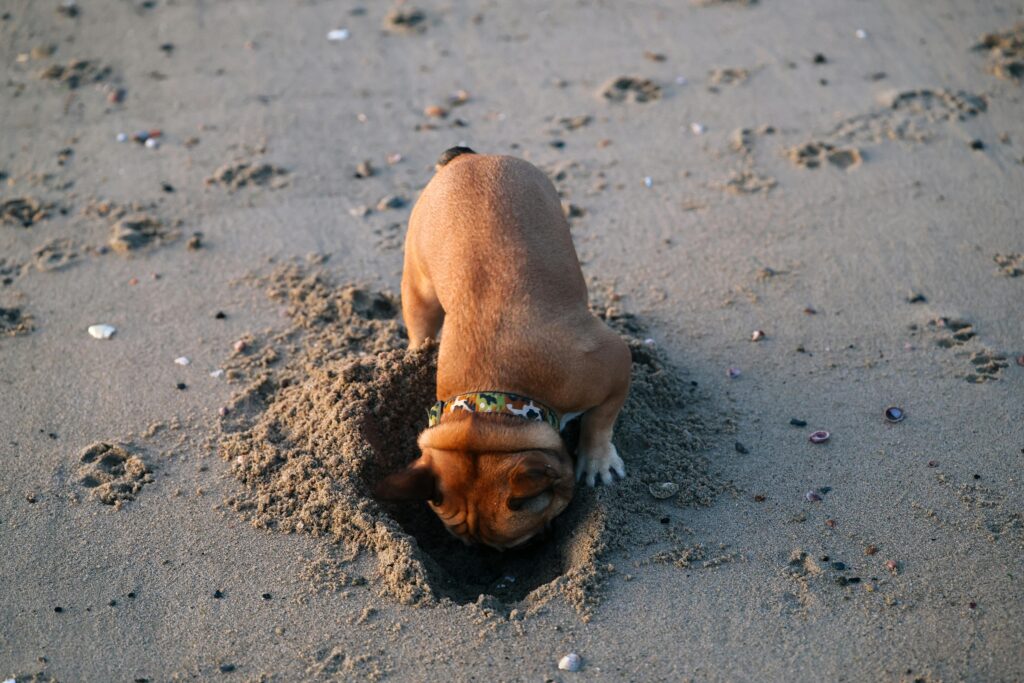
  • Why Do Dogs Dig? Understanding the Instinct and Saving Your Yard

    pexels david kanigan 239927285 28286111

    Do you have a backyard full of “landmines” and a pup with perpetually muddy paws? If you’ve ever looked at your ruined flower bed and asked, why do dogs dig?, you’re not alone. Digging is a deeply ingrained instinct, but it’s often triggered by specific needs like cooling down, boredom, or even hunting underground pests. In this guide, we’ll dig into the psychology behind this behavior and provide practical tips to help you protect your lawn while keeping your dog happy.

    If your once-beautiful backyard now looks like a construction zone, you aren’t alone. Digging is a natural canine behavior, but that doesn’t make it any less frustrating when it’s your prize-winning roses on the line. To stop the digging, you first have to understand the motivation behind the paws.

    Ancestral Instincts (Denning)

    Before they had cozy orthopedic beds in our living rooms, dogs lived in dens. Digging a shallow hole provides a sense of security and protection from predators. Even today, some dogs—especially pregnant females or those feeling a bit anxious—dig to create a “safe space” or a nest for themselves.

    Temperature Control

    If it’s a hot summer day in the US, your dog might be digging to find relief. The earth a few inches below the surface is significantly cooler than the grass or the air. If you see your dog digging a hole and immediately lying down in it, they are likely just trying to regulate their body temperature.

    Boredom and Excess Energy

    Dogs need a “job.” If they are left alone in a yard for hours without toys, puzzles, or human interaction, they will find their own entertainment. Digging is a physically demanding and mentally stimulating activity that helps bored dogs pass the time and burn off steam.

    Hunting for Underground “Critters”

    Terriers and Hounds were specifically bred to hunt animals that live in burrows. If your dog is digging intensely in one specific spot, or following a line across the yard, they probably hear or smell a mole, gopher, or squirrel beneath the surface. In their mind, they aren’t “destroying the yard”—they’re working!

    The “Great Escape”

    Some dogs dig along the fence line because they want to see what’s on the other side. Whether they are looking for a mate, a neighborhood friend, or are simply suffering from separation anxiety, “escape digging” is a sign that your dog wants more social interaction or a change of scenery.

    You may also like: [Why Do Dogs Follow You Everywhere? 5 Reasons for Your “Velcro Dog”]

    [Why Is My Dog Vomiting? When to Worry and What to Do]

  • Can Dogs Eat Yogurt? The Probiotic Powerhouse

    pexels n voitkevich 4641850

    The Short Answer: Yes, But with One Big Catch!

    Looking for a healthy way to boost your pup’s digestive health? You might have wondered, can dogs eat yogurt? While many dairy products are off-limits for canines, plain yogurt can actually be a protein-packed snack full of beneficial probiotics. However, not all yogurts are created equal. In this guide, we’ll explain the benefits of feeding yogurt to your dog, how to identify toxic ingredients like Xylitol, and why Greek yogurt might be the best choice for your furry friend.

    Yogurt is safe for most dogs and can actually be a nutritional powerhouse. It is high in calcium and protein, and it contains live active cultures that act as probiotics. However, while the yogurt itself is fine, many of the additives found in human yogurt can be dangerous—or even fatal—to dogs.

    The Health Benefits of Yogurt for Dogs

    When fed correctly, yogurt can support your dog’s health in several ways:

    • Probiotics: Live bacteria like Lactobacillus help maintain a healthy balance of gut flora, which can improve digestion and boost the immune system.
    • Calcium: Essential for maintaining strong bones and teeth.
    • Protein: Great for muscle maintenance and energy.
    • Digestive Aid: Sometimes recommended by vets to help settle a dog’s stomach after a round of antibiotics.

    The Danger Zone: What to Avoid

    Before you scoop some yogurt into your dog’s bowl, check the label for these “Red Flags”:

    • Xylitol (Birch Sugar): This is the biggest danger. Many “low-fat” or “sugar-free” yogurts use Xylitol as a sweetener. It is extremely toxic to dogs and causes life-threatening drops in blood sugar.
    • Sugar: Regular sugar isn’t toxic, but it causes inflammation, weight gain, and dental issues.
    • Flavors: Avoid vanilla, chocolate, or fruit-on-the-bottom yogurts. These contain syrups and artificial flavors that can cause upset stomachs.
    • Lactose Intolerance: Some dogs cannot digest dairy well. If your dog gets gas, diarrhea, or starts vomiting after eating yogurt, they may be lactose intolerant.

    The Best Type of Yogurt for Dogs

    The “Gold Standard” for dogs is Plain, Unsweetened Greek Yogurt. Greek yogurt is superior because much of the whey (which contains the most lactose) is strained out during processing, making it easier for dogs to digest than regular yogurt.

    You may also like: [Can Dogs Eat Pineapple? A Tropical Treat Guide]

    [Can Dogs Eat Strawberries? A Sweet Treat Guide]

    [Can Dogs Eat Bananas? Everything You Need to Know]

  • Why Is My Dog Vomiting? When to Worry and What to Do

    pexels jibarofoto 13867941

    Seeing your furry friend in distress is heartbreaking, and “why is my dog vomiting?” is one of the most frequent questions pet parents ask. While an occasional upset stomach might not be a cause for alarm, frequent or severe vomiting can signal a deeper health issue. In this guide, we’ll break down the common causes of canine vomiting, explain what different colors of vomit mean, and—most importantly—help you identify the red flags that require an emergency trip to the vet.

    It is a situation every dog owner dreads: hearing that distinct sound of a dog about to get sick. While vomiting in dogs is common, it can range from a simple case of “ate too much grass” to a serious medical emergency. Understanding the causes and knowing the warning signs can help you decide your next steps.

    Common (Non-Emergency) Causes

    Sometimes, vomiting is just the body’s way of getting rid of something that shouldn’t be there.

    • Dietary Indiscretion: Often called “garbage gut,” this happens when a dog eats something they shouldn’t (like table scraps or something found in the yard).
    • Eating Too Fast: Swallowing food without chewing can cause it to come right back up.
    • Motion Sickness: Many dogs get nauseous during car rides.
    • Sudden Diet Changes: Switching dog food brands too quickly can upset a sensitive stomach.

    When It’s More Serious

    If the vomiting is frequent or accompanied by other symptoms, it could indicate:

    • Infections: Bacterial, viral, or parasitic infections.
    • Ingesting Toxins: Chocolate, grapes, onions, or household chemicals.
    • Obstructions: Swallowing a toy, sock, or bone that gets stuck in the digestive tract.
    • Chronic Issues: Conditions like pancreatitis, kidney disease, or liver failure.

    When to Call the Vet Immediately

    • Don’t “wait and see” if you notice any of the following:
    • Vomiting that lasts for more than 24 hours.
    • Projectile vomiting.
    • Blood in the vomit or stool.
    • Lethargy, fever, or painful abdomen.
    • Unsuccessful attempts to vomit (this can be a sign of Bloat, which is life-threatening).

    You may also like: [Dog Age Calculator: How Old is Your Dog in Human Years?]

  • Can Dogs Eat Pineapple? A Tropical Treat Guide

    pexels shvets production 7194897

    The Short Answer: Yes, In Moderation!

    Thinking of sharing a tropical snack with your pup and wondering, can dogs eat pineapple? The answer is a resounding yes! When served correctly, pineapple is a nutrient-dense treat that offers impressive health benefits for your furry friend. In this guide, we’ll explore the vitamins found in this tropical fruit, the parts you must avoid, and the best ways to serve pineapple to your dog safely.

    Raw pineapple is a safe and healthy snack for dogs. This prickly fruit is loaded with vitamins and minerals that can support your dog’s immune system and digestive health. However, because of its high natural sugar and fiber content, it should be treated as an occasional reward rather than a meal staple.

    The Health Benefits of Pineapple

    Pineapple is much more than just a sweet treat. It contains:

    • Bromelain: An enzyme that helps dogs digest proteins and has anti-inflammatory properties.
    • Vitamin C: Supports the immune system and reduces inflammation.
    • Manganese: Essential for healthy bone structure and metabolic function.
    • Hydration: Pineapple is about 86% water, making it a great hydrating snack on a hot day.

    Important Safety Guidelines

    To keep your dog safe, follow these “Pineapple Rules”:

    • Avoid the Core and Skin: The tough central core and the prickly outer skin are major choking hazards and can cause intestinal blockages. Only feed your dog the soft, fleshy part of the fruit.
    • Raw is Best: Only feed your dog fresh, raw pineapple.
    • SKIP Canned Pineapple: Canned pineapple is usually packed in heavy syrup. This extra sugar is bad for dogs and can lead to obesity or even pancreatitis in sensitive pups.
    • Watch the Sugar: Even fresh pineapple is high in sugar. If your dog is diabetic or overweight, consult your vet before adding this to their diet.

    How to Serve Pineapple to Your Dog

    • Fresh Chunks: Small, bite-sized pieces are perfect.
    • Frozen Cubes: A fantastic, crunchy “pup-sicle” for hot summer afternoons.
    • Pineapple Puree: Blend fresh pineapple and freeze it in a silicone mold for a healthy, one-ingredient treat.

    You may also like: [Can Dogs Can Dogs Eat Eggs? The Sunny-Side Up Truth]

    [Can Dogs Eat Strawberries? A Sweet Treat Guide]

    [Can Dogs Eat Bananas? Everything You Need to Know]

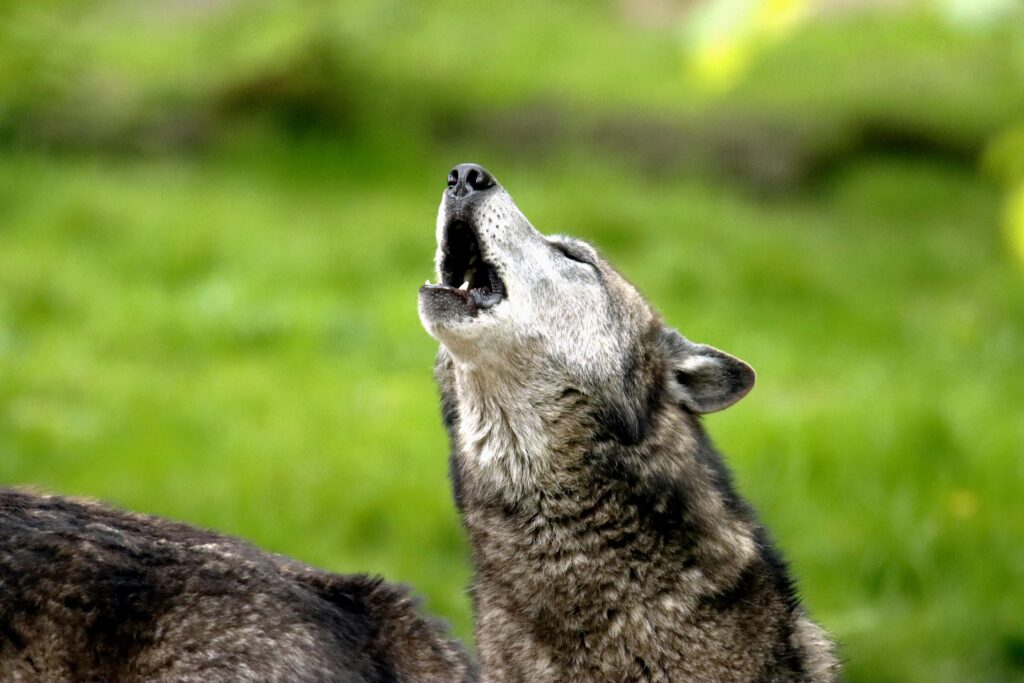
  • Why Do Dogs Howl? 5 Fascinating Reasons Behind the Noise

    pexels sunny67 12000610

    There is something undeniably haunting and beautiful about a dog’s howl. While it might seem like your pup is just being noisy, howling is actually an ancient form of communication inherited from their wolf ancestors. From responding to sirens to signaling their “pack,” there are several reasons why your dog chooses to howl. In this guide, we’ll explore the psychology behind the howl and help you understand what your dog is trying to say to the world.

    Whether it’s a response to a passing siren or a “concert” when you leave the house, a dog’s howl is one of the most soul-piercing sounds in nature. While it might be startling (or a bit loud for the neighbors), howling is a natural, deeply-rooted form of communication. Here is why your dog might be channeling their inner wolf.

    Ancestral “GPS” and Communication

    In the wild, wolves howl to help pack members find their way back home. It serves as a long-distance vocal beacon. When your dog howls, they may be trying to “call the pack” together—which, in a modern home, usually means calling you back to their side.

    Responding to High-Pitched Sounds

    Have you ever noticed your dog starts howling as soon as an ambulance or police siren passes by? They aren’t necessarily “singing along.” To a dog, a siren can sound like a distant howl from another dog. They are simply responding to the “message” they think they are hearing.

    Claiming Their Territory

    Just as dogs use scent to mark their territory, they also use sound. Howling is a way of announcing to other dogs in the neighborhood, “This is my house, and I’m here!” It acts as a verbal boundary to keep intruders away.

    Expressing Loneliness or Separation Anxiety

    For some dogs, howling is a way to express emotional distress. If your neighbors report that your dog howls only when you are gone, it could be a sign of Separation Anxiety. In this case, the howl is a cry for companionship and a way to deal with the stress of being alone.

    They Found Something Exciting!

    Hunting breeds, like Beagles or Hounds, were bred to “bay” or howl when they cornered prey or found a scent. Your dog might howl simply because they’ve spotted a squirrel in the backyard and want to tell you all about their “big find.”

    You may also like: [Why Do Dogs Wag Their Tail? Understanding Canine Body Language]

    [Why Do Dogs Sleep So Much? The Science Behind Those Canine Naps]

    [Why Do Dogs Follow You Everywhere? 5 Reasons for Your “Velcro Dog”]