• Why Does My Dog Lean on Me? The Science of Canine Leaning

    rebeccaspictures dog 5753302

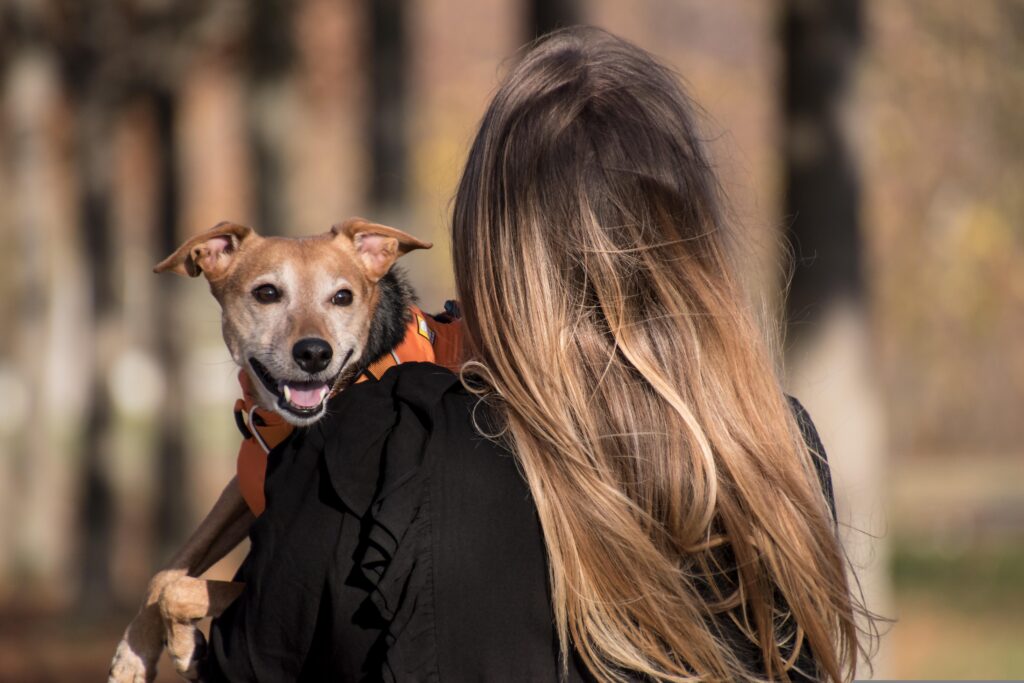
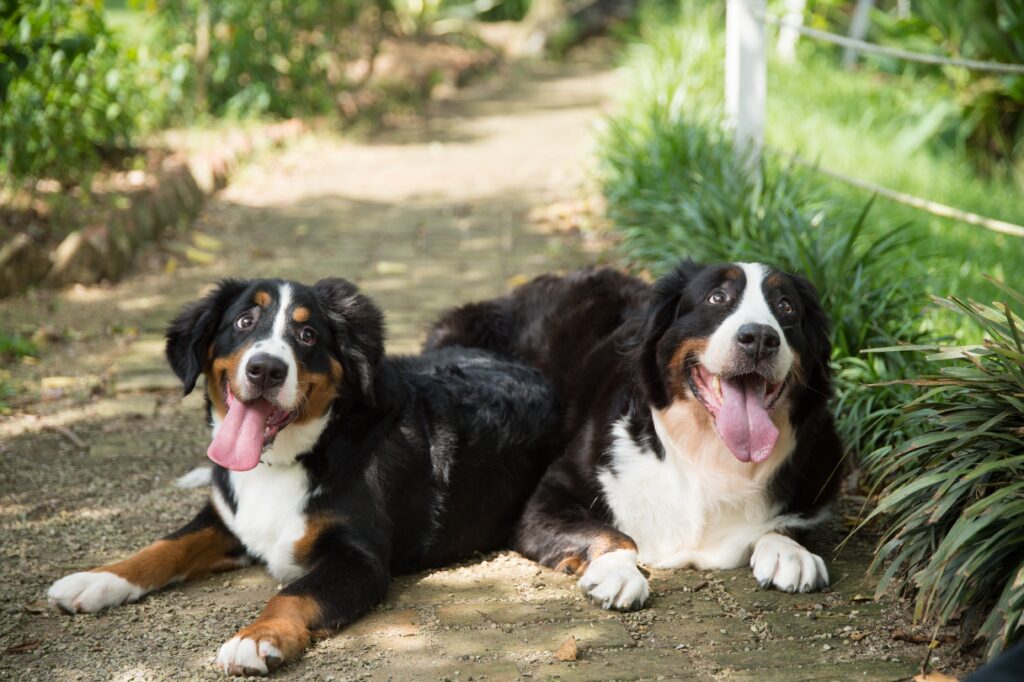
    Have you ever been standing in the kitchen or sitting on the couch, only for your dog to come over and press their entire body weight against your legs? If you’ve wondered, “why does my dog lean on me?“, you are experiencing one of the most unique and endearing behavioral traits in the canine world. Unlike humans, who value personal space, dogs are pack animals that use physical contact to communicate complex emotions. From seeking a sense of security to showing pure affection, your dog’s lean carries a deep psychological meaning. In this article, we’ll break down why your pup craves this physical closeness.

    The Main Reasons Behind the Lean

    Affection and Trust (The “Canine Hug”):

    • Since dogs don’t have arms to hug you, pressing their body against yours is their way of showing love. It triggers the release of oxytocin (the bonding hormone) in both you and your pet.

    Seeking Security and Comfort:

    • If your dog is naturally anxious or gets startled by loud noises, leaning against you acts like a security blanket. They are using your calm energy to ground themselves and feel safe.

    Herding and Proximity (Breed Instincts):

    • Certain herding or working breeds naturally like to know exactly where their human is at all times. Leaning ensures you can’t move away without them noticing!

    Dominance vs. Submission Myth:

    • Older training philosophies claimed leaning was a sign of a dog trying to dominate you. Modern animal behaviorists have debunked this—it is almost always driven by a desire for closeness, not power.

    You may also like: [Why Is My Dog Barking So Much? Understanding Canine Communication]
    [Why Is My Dog Panting So Much? When to Worry]

  • Best Dog Harnesses for Walking: No-Pull and Safety Options

    jatocreate borador 7513186

    Taking your dog for a walk should be a relaxing experience, but if your pup constantly pulls on the leash, it can quickly turn into a stressful workout. While traditional collars are fine for holding ID tags, they can put dangerous pressure on a dog’s throat. Switching to the best dog harnesses for walking can completely transform your daily outings. A good harness distributes pressure evenly across the chest and shoulders, giving you better control while keeping your dog safe and comfortable. In this guide, we’ll explore top-rated harnesses that prevent pulling and secure your pet.

    Top Harness Styles for Every Dog

    No-Pull Front-Clip Harnesses (For Strong Pullers)

    If your dog tends to drag you down the street, a front-clip harness is a game-changer. When the leash is attached to the chest, any pulling forces the dog to gently turn back toward you.

    • Rabbitgoo No-Pull Dog Harness: Featuring both front and back metal leash attachment rings, this versatile harness is perfect for training active dogs. Its breathable mesh padding keeps your pup cool, while the adjustable straps ensure a snug, escape-proof fit.

    Step-In Mesh Harnesses (Best for Small Breeds & Puppies)

    Small dogs have delicate windpipes that are easily injured. A soft, lightweight step-in harness avoids the neck area entirely and is incredibly easy to put on.

    • Best Pet Supplies Voyager Step-In Mesh Harness: Crafted from plush, all-weather mesh fabric, this harness wraps gently around your pet’s chest. It secures with a heavy-duty hook-and-loop fastener and quick-release buckle, making it ideal for quick, everyday walks.

    Harness Feature Comparison

    Harness ModelBest ForAttachment PointsMaterialReflective Strips?
    Rabbitgoo No-PullTraining & Large DogsFront & Back (Metal)Oxford & Mesh PaddingYes
    Voyager Step-InSmall Breeds & ComfortBack (Dual D-Rings)All-Weather MeshYes

    You may also like: [Dog Age Calculator: How Old is Your Dog in Human Years?]

    [How Often Should You Feed a Puppy? A Growth Milestone Guide]

  • Best Dog Beds for Puppies: Comfort, Safety, and Durability

    rafacalegaro dog 4467062

    Bringing a new puppy home is a magical experience, but it also means preparing your space for a tiny, energetic explorer. One of the most important investments you will make is choosing where your new furry family member will sleep. The best dog beds for puppies aren’t just about soft fabric; they need to handle sharp puppy teeth, potential potty accidents, and provide enough security to ease nighttime separation anxiety. In this guide, we will look into the top types of beds that support a growing puppy’s physical development and emotional comfort.

    Top Bed Styles for Growing Puppies

    Calming Donut Beds (For Anxiety Relief)

    Puppies often feel lonely or anxious when separating from their mother and littermates. Round, raised-rim beds simulate the feeling of sleeping in a safe pack.

    • Furhaven Calming Cuddler Donut Bed: Featuring deeply cushioned walls and ultra-plush faux fur, this style provides gentle physical pressure that mimics a constant hug. It allows anxious puppies to burrow down, feel secure, and drift into a deep sleep much faster during those first difficult nights home.

    Durable, Washable Mats (For Crate Training & Accidents)

    During potty training, easy-to-clean materials are a lifesaver. Flat mats that fit securely inside a training crate keep the puppy comfortable without trapping bad odors.

    • EHEYCIGA Waterproof High Rebound Pet Bed: This model features a brilliant integrated waterproof lining that protects the inner foam core from unexpected puppy accidents. The outer cover zips off smoothly and is fully machine washable, making cleanup quick and entirely stress-free for owners.

    Chew-Resistant Beds (For Active Teething)

    Puppies explore the world with their mouths, and teething can spell disaster for delicate fabrics and exposed zippers.

    • OYANTEN Square All-Season Durable Sofa Bed: Built with reinforced stitching and a tough outer material designed to withstand playful chewing and digging, this bed offers excellent longevity. Its non-slip base prevents it from sliding around on smooth hardwood floors during energetic play.

    Comparison of Top Puppy Bed Types

    Product NameBest ForCore MaterialWaterproof?Washable Cover?
    Furhaven Calming CuddlerAnxiety & ComfortPlush Fiber FillNoYes
    EHEYCIGA Waterproof BedPotty Training & CratesHigh-Rebound FoamYes (Inner Liner)Yes
    OYANTEN All-Season SofaTeething & DurabilityHigh-Density FoamNoYes

    What to Look for Before Buying

    • Hidden Zippers: Look for beds with hidden zipper enclosures. Exposed tags and zippers are an open invitation for puppies to chew and destroy the lining.
    • Size with Room to Grow: Puppies grow incredibly fast. Choose a size slightly larger than their current measurements so you don’t have to replace the bed within a few short months.
    • Machine Washability: If the entire bed or at least the outer cover cannot be tossed into a washing machine, it is not practical for a young puppy.

    You may also like: [Dog Age Calculator: How Old is Your Dog in Human Years?]

    [How Often Should You Feed a Puppy? A Growth Milestone Guide]

  • Is Grain-Free Dog Food Better? Separating Fact from Fiction

    wa40friend animal 2839872

    Walk down any pet food aisle today, and you will be flooded with options labeled “grain-free.” This dietary trend has taken the pet world by storm, leaving many owners asking: “is grain-free dog food better for my pet?” While marketing campaigns often suggest that grains are just unnatural fillers, the nutritional reality is much more nuanced. For most healthy dogs, grains provide essential vitamins, minerals, and fiber. In this article, we’ll explore the facts behind grain-free diets so you can make an informed choice for your dog’s bowl.

    The Truth About Grains in Dog Food

    Contrary to popular belief, dogs are not obligate carnivores like cats; they are omnivores. This means their bodies are perfectly designed to digest and utilize nutrients from grains like rice, oats, barley, and corn. These ingredients provide a steady source of energy and support healthy digestion.

    When is Grain-Free Actually Necessary?

    A grain-free diet is only truly better if your dog has a diagnosed grain allergy.

    • Reality Check: True grain allergies are actually quite rare in dogs. Most food allergies in pets are triggered by protein sources, such as beef, chicken, or dairy.
    • Symptoms of Allergies: If your dog is constantly scratching, chewing their paws, or dealing with chronic ear infections, talk to your vet about an elimination diet.

    Important Health Considerations

    In recent years, veterinary cardiologists and the FDA have investigated a potential link between grain-free diets (specifically those high in peas, lentils, and chickpeas) and a serious heart condition called Dilated Cardiomyopathy (DCM). Because of this, switching to a grain-free diet should always be discussed with a professional.

    You may also like: [Can Dogs Can Dogs Eat Eggs? The Sunny-Side Up Truth]

    [Can Dogs Eat Yogurt? The Probiotic Powerhouse]

  • Why Does My Dog Bark at Night? How to Get a Peaceful Sleep

    ri ya werewolf 7644035

    There is nothing quite as frustrating as being jolted awake in the middle of the section of your deepest sleep by your furry friend. If you find yourself staring at the ceiling asking, “why does my dog bark at night?“, you are definitely not alone. Nighttime barking is a common behavioral issue that can disrupt the whole household. Because the world is quieter at night, dogs become more sensitive to subtle sounds and changes in their environment. In this guide, we will look into the psychological and environmental triggers behind this behavior and share actionable tips to help you and your dog get a restful night.

    The Main Triggers for Nighttime Barking

    1. Unheard Environmental Noises:
      • Dogs have vastly superior hearing compared to humans. A passing car, a stray cat outside, or even the house settling can trigger an alert bark because the background noise of the day is gone.
    2. Boredom and Pent-Up Energy:
      • If your dog spends most of the day sleeping without much physical or mental stimulation, they will have excess energy at night. Barking becomes their way of releasing that frustration.
    3. Loneliness or Separation Anxiety:
      • If your dog sleeps in a separate room or downstairs, the sudden isolation of the dark can trigger anxiety, causing them to bark or whine for your companionship.
    4. The Need for a Potty Break:
      • Sometimes the explanation is simple: your dog genuinely needs to go outside, especially if they are a puppy or a senior dog with a smaller bladder capacity.
    5. Cognitive Decline (In Senior Dogs):
      • Older dogs may suffer from Canine Cognitive Dysfunction (similar to dementia), which can cause confusion, disorientation, and pacing or barking during the night.

    How to Stop the Nighttime Noise

    • Create a Calming Environment: Consider using a white noise machine or a fan in the room where your dog sleeps to drown out faint outside noises that might startle them.
    • Increase Daytime Activity: Ensure your dog gets plenty of exercise and mental stimulation (like puzzle toys) during the evening hours so they are tired when it’s time for bed.
    • Keep a Strict Potty Routine: Take your dog out for their final bathroom break right before you go to sleep to rule out a full bladder as the cause.
    • Evaluate the Sleeping Spot: If loneliness is the trigger, try moving their crate or dog bed into your bedroom. Often, just being able to smell or see you is enough to keep them quiet.

    You may also like: [Why Does My Dog Lick Me? Decoding Canine Affection]

    [Why Is My Dog Panting So Much? When to Worry]

  • Why Does My Dog Lick Me? Decoding Canine Affection

    pezibear woman 7360005

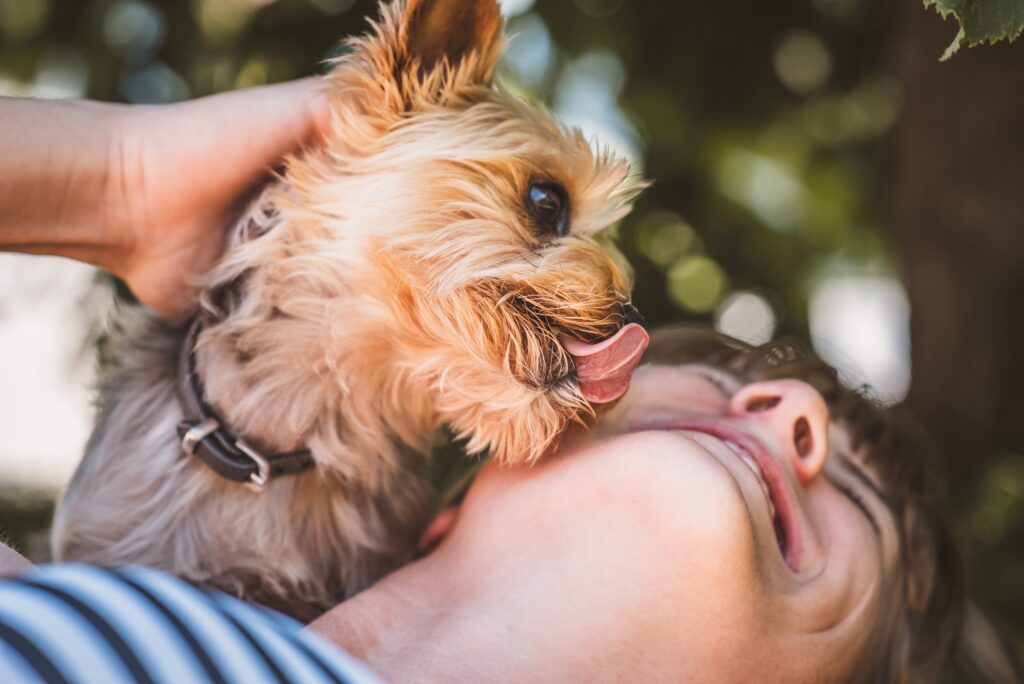
    It’s a scenario every dog owner knows well: you sit down on the couch, and within seconds, your furry friend starts giving you a shower of wet kisses. But have you ever paused to wonder, “why does my dog lick me so much?” While we often interpret this behavior as pure love and affection, lamber is actually a complex sensory tool for dogs. From evolutionary instincts passed down by wild ancestors to simple taste preferences, your dog’s licks carry multiple meanings. In this guide, we will break down the psychology behind those canine kisses and help you understand what your pup is trying to communicate.

    The Main Reasons Why Dogs Lick

    • Showing Affection (The “Kisses”):
      • For dogs, licking releases endorphins (pleasure hormones) that make them feel calm and happy. It is their way of saying, “You are part of my family, and I feel safe with you.”
    • Gathering Information (Scent and Taste):
      • Dogs have an incredible sense of smell and taste. By licking your skin, they can actually gather information about where you’ve been, how you are feeling (via your sweat chemistry), and yes—they might just like the salty taste of your skin!
    • Grooming and Social Bonding:
      • In a pack, dogs groom each other as a tool for social bonding and showing respect. When they lick you, they are treating you as an honored member of their social circle.
    • Attention-Seeking:
      • If you usually smile, laugh, or pet your dog whenever they lick you, they quickly learn that licking equals instant attention. They will keep doing it because it works!
    • Anxiety or Stress Relief:
      • Sometimes, repetitive and obsessive licking is a self-soothing mechanism used by dogs to cope with anxiety, boredom, or environmental stress.

    When Is It Too Much?

    While occasional licking is normal and healthy, it can become an issue if it turns into a compulsive habit.

    • Look for the signs: If your dog licks constantly, looks anxious while doing it, or licks the same spot on themselves or furniture until it’s raw, it might be driven by stress or an underlying medical issue (like allergies).
    • How to manage it: Simply turn around and ignore the dog when the licking starts. Reward them only when they stop and remain calm.

    You may also like: [Dog Age Calculator: How Old is Your Dog in Human Years?]

    [Why Is My Dog Barking So Much? Understanding Canine Communication]