
• Can Dogs Eat Pineapple? A Tropical Treat Guide

    pexels shvets production 7194897

    The Short Answer: Yes, In Moderation!

    Thinking of sharing a tropical snack with your pup and wondering, can dogs eat pineapple? The answer is a resounding yes! When served correctly, pineapple is a nutrient-dense treat that offers impressive health benefits for your furry friend. In this guide, we’ll explore the vitamins found in this tropical fruit, the parts you must avoid, and the best ways to serve pineapple to your dog safely.

    Raw pineapple is a safe and healthy snack for dogs. This prickly fruit is loaded with vitamins and minerals that can support your dog’s immune system and digestive health. However, because of its high natural sugar and fiber content, it should be treated as an occasional reward rather than a meal staple.

    The Health Benefits of Pineapple

    Pineapple is much more than just a sweet treat. It contains:

    • Bromelain: An enzyme that helps dogs digest proteins and has anti-inflammatory properties.
    • Vitamin C: Supports the immune system and reduces inflammation.
    • Manganese: Essential for healthy bone structure and metabolic function.
    • Hydration: Pineapple is about 86% water, making it a great hydrating snack on a hot day.

    Important Safety Guidelines

    To keep your dog safe, follow these “Pineapple Rules”:

    • Avoid the Core and Skin: The tough central core and the prickly outer skin are major choking hazards and can cause intestinal blockages. Only feed your dog the soft, fleshy part of the fruit.
    • Raw is Best: Only feed your dog fresh, raw pineapple.
    • SKIP Canned Pineapple: Canned pineapple is usually packed in heavy syrup. This extra sugar is bad for dogs and can lead to obesity or even pancreatitis in sensitive pups.
    • Watch the Sugar: Even fresh pineapple is high in sugar. If your dog is diabetic or overweight, consult your vet before adding this to their diet.

    How to Serve Pineapple to Your Dog

    • Fresh Chunks: Small, bite-sized pieces are perfect.
    • Frozen Cubes: A fantastic, crunchy “pup-sicle” for hot summer afternoons.
    • Pineapple Puree: Blend fresh pineapple and freeze it in a silicone mold for a healthy, one-ingredient treat.

    You may also like: [Can Dogs Can Dogs Eat Eggs? The Sunny-Side Up Truth]
    [Can Dogs Eat Strawberries? A Sweet Treat Guide]

    [Can Dogs Eat Bananas? Everything You Need to Know]

  • Can Dogs Eat Strawberries? A Sweet Treat Guide

    tednik strawberry 4667387

    The Short Answer: Yes!

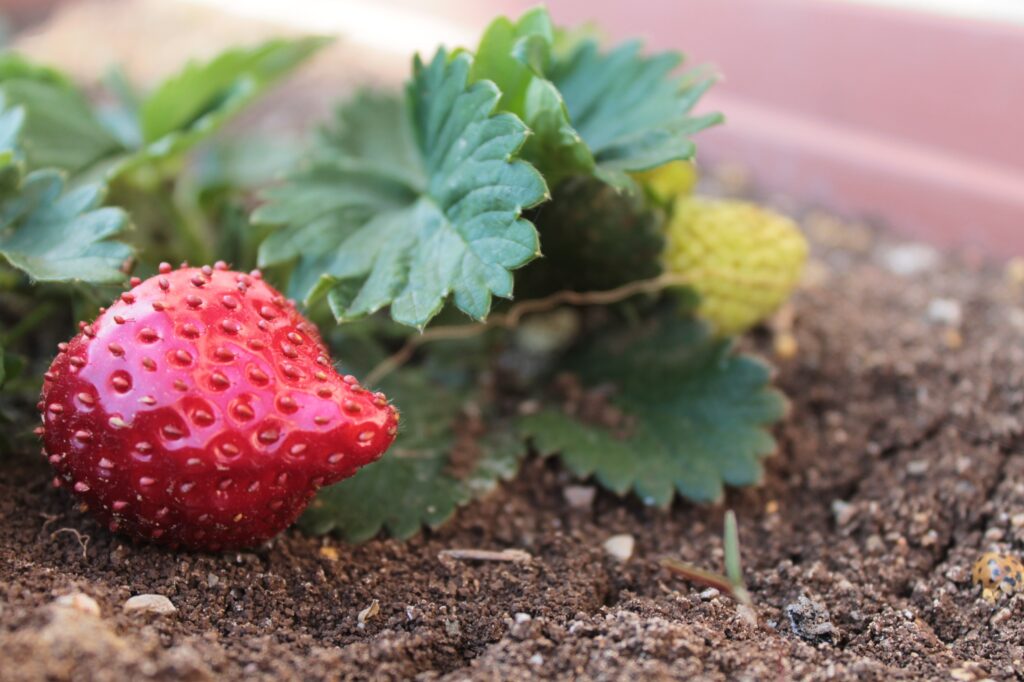
    Looking to share a summer snack with your furry friend and wondering, can dogs eat strawberries? You’re in luck! Not only are strawberries safe for dogs, but they also provide a boost of antioxidants and even a natural teeth-whitening enzyme. In this guide, we’ll cover everything you need to know about feeding strawberries to your dog, from the health benefits to the important safety tips every pet parent should follow.

    The quick answer is yes, dogs can safely eat strawberries. In fact, these red berries are a healthy, low-calorie treat that most dogs absolutely love. However, like any human food, there are a few “rules of the road” to follow to keep your pup safe.

    The Health Benefits of Strawberries

    Strawberries are more than just a sweet snack; they are packed with nutrients that benefit your dog:

    • Vitamin C: A powerful antioxidant that supports the immune system.
    • High Fiber: Helps with healthy digestion.
    • Omega-3 Fatty Acids: Promotes a shiny coat and healthy skin.
    • The “Teeth Whitening” Enzyme: Strawberries contain malic acid, which can actually help whiten your dog’s teeth as they eat them!

    Important Safety Precautions

    While the fruit itself is safe, keep these three things in mind:

    • Remove the Stems: Always pull off the green leaves and stems. They aren’t toxic, but they can be difficult to digest and may cause an upset stomach.
    • Sugar Content: Strawberries contain natural sugar. While healthier than processed sugar, too much can lead to weight gain. Limit strawberries to an occasional treat.
    • Avoid Canned or Syrupy Strawberries: Never feed your dog strawberries that are in a can, a jar, or covered in syrup. These contain added sugars and artificial sweeteners like Xylitol, which is extremely toxic to dogs.

    How to Serve Strawberries to Your Dog

    • Fresh & Sliced: The safest way. Cut them into small, bite-sized pieces to prevent choking, especially for small breeds.
    • Frozen: A perfect “pup-sicle” for hot summer days in the backyard.
    • Mashed: Mix a few mashed strawberries into their plain Greek yogurt or cottage cheese for a special snack.

    You may also like: [Can Dogs Can Dogs Eat Eggs? The Sunny-Side Up Truth]

    [Can Dogs Eat Bananas? Everything You Need to Know]

    [Can Dogs Eat Pineapple? A Tropical Treat Guide]

  • Can Dogs Eat Bananas? Everything You Need to Know

    karisjo flatcoated 3465443

    The Short Answer: Yes!

    The good news is that bananas are 100% safe for dogs and can actually be a healthy, low-calorie treat. Unlike many human snacks, bananas are non-toxic and packed with essential vitamins that benefit your pup’s health.

    The Health Benefits of Bananas for Dogs

    Bananas aren’t just tasty; they are a nutritional powerhouse. When fed in moderation, they provide:

    • Potassium: Supports healthy heart and kidney function.
    • Vitamin B6: Helps with cognitive function and hormone regulation.
    • Vitamin C: An antioxidant that boosts the immune system.
    • Fiber: Great for digestion (though too much can have the opposite effect!).
    • Magnesium: Promotes healthy bone growth and helps the body absorb vitamins.

    The Golden Rule: Moderation is Key

    While bananas are healthy, they are also high in sugar. Too much sugar can lead to weight gain or upset stomachs.

    Most veterinarians recommend the 90/10 rule: 90% of your dog’s daily calories should come from balanced dog food, and only 10% from treats.

    • Large dogs: Can enjoy half a banana a day.
    • Small dogs: Should only have a few small slices.

    Can Dogs Eat Banana Peels?

    No. While the peel isn’t toxic, it is very high in fiber and extremely difficult for dogs to digest. Eating a peel can cause a serious digestive blockage or an upset stomach. Always peel the banana before sharing it with your furry friend.

    How to Serve Bananas to Your Dog

    • Fresh Slices: Simple and easy.
    • Frozen: Great for a refreshing summer treat or to soothe teething puppies.
    • Mashed: Mix a little into their usual kibble for an extra flavor boost.
    • DIY Treats: Mash a banana with some peanut butter (xylitol-free!) and oats to bake homemade dog biscuits.

    You may also like: [Can Dogs Eat Eggs? The Sunny-Side Up Truth]
    [CanCan Dogs Eat Strawberries? A Sweet Treat Guide]

  • Can Dogs Eat Eggs? The Sunny-Side Up Truth

    peggychoucair easter eggs 6035549

    The Short Answer: Yes, Absolutely!

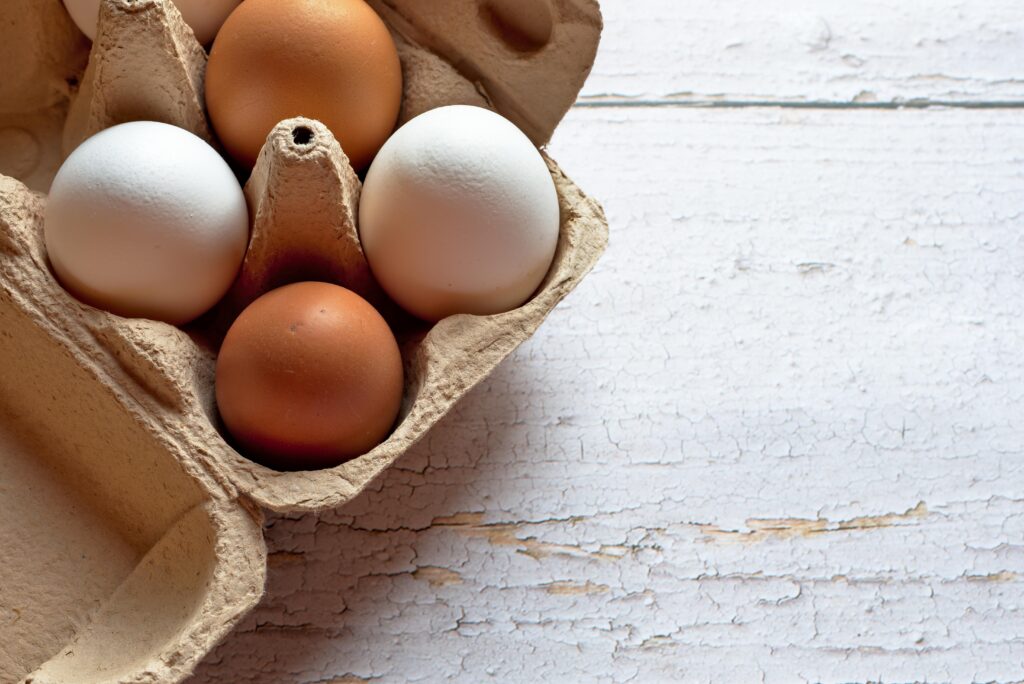
    Eggs are not only safe for dogs, but they are also one of the most complete and nutritious snacks you can provide. They are a fantastic source of protein, fatty acids, and essential vitamins that help support your dog’s health from the inside out.

    The Nutritional Power of Eggs

    Eggs are often called a “superfood” for dogs because they contain:

    • High-Quality Protein: Provides the amino acids needed for muscle repair and growth.
    • Riboflavin (Vitamin B2): Supports energy metabolism.
    • Selenium: A powerful antioxidant.
    • Vitamin A: Essential for healthy skin, coat, and eye health.
    • Fatty Acids: Great for maintaining a shiny, soft coat and healthy skin.

    Can Dogs Eat Raw Eggs?

    While some proponents of raw feeding suggest it, most American veterinarians do not recommend raw eggs. There are two main risks:

    • Salmonella: Just like humans, dogs can get sick from bacteria found in raw eggs.
    • Biotin Deficiency: Raw egg whites contain avidin, an enzyme that interferes with the absorption of biotin (Vitamin B7), which can lead to skin and coat issues over time.

    The Verdict: Cooking the eggs neutralizes these risks, making them perfectly safe.

    How to Feed Eggs to Your Dog

    • Hard-Boiled: Easy to slice and use as a high-value training treat.
    • Scrambled: A perfect meal topper (just don’t use butter or salt!).
    • Poached: A great way to cook them without adding any fats or oils.

    Important Note: Never add salt, pepper, butter, onions, or garlic when cooking eggs for your dog. These common kitchen ingredients can be toxic or cause digestive distress.

    You may also like: [Can Dogs Eat Bananas?]

    [CanCan Dogs Eat Strawberries? A Sweet Treat Guide]