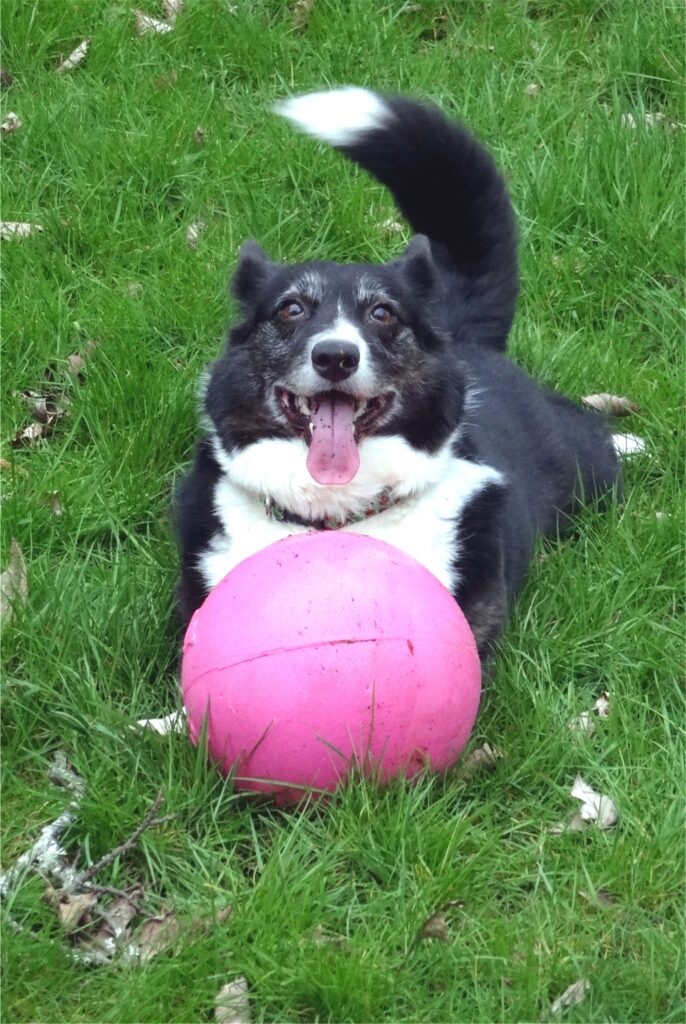
It’s the universal sign of a happy dog, right? Not necessarily. While a wagging tail is often a greeting, it’s actually a sophisticated form of communication that carries many different meanings. From the speed of the flick to the direction of the swing, your dog’s tail is telling a story. In this guide, we’ll decode the secrets of tail wagging so you can better understand exactly what your furry friend is trying to tell you.
We’ve all seen it: that frantic, thumping wag when you come home from work. While we usually interpret a wagging tail as a smile, it’s actually more like a social signal or a communication tool. Depending on the speed, height, and even the direction of the wag, your dog could be saying anything from “I’m thrilled” to “I’m feeling a bit nervous.”
The Tail as a “Mood Meter”
Think of the tail as a mirror of your dog’s emotions. To understand what they are saying, you have to look at the height of the tail:
- High and Stiff: This usually indicates a dog is alert, agitated, or showing dominance.
- Middle Height: Generally shows a relaxed, content dog.
- Tucked or Low: This is a classic sign of fear, submission, or anxiety.
Direction Matters: The Left vs. Right Theory
Fascinating research has shown that the direction of a wag can reveal a dog’s feelings:
- Wagging to the Right: Usually indicates positive emotions (like seeing their owner). This is linked to the left side of the brain, which governs approach behavior.
- Wagging to the Left: Often indicates negative or “avoidance” emotions (like seeing a dominant dog they don’t know).
The “Circle Wag” (The Helicopter)
If your dog’s tail is moving in a full circle—often called the “Helicopter Wag”—you’ve hit the jackpot! This is the gold standard of doggy happiness. It usually happens when they see someone they truly love or are about to get their favorite treat.
Why Don’t Puppies Wag Their Tails?
Interestingly, puppies don’t start wagging their tails the moment they are born. Most don’t start until they are about 3 to 4 weeks old. This is because tail wagging is a social language used to communicate with others; since they are only nursing and sleeping at first, they don’t “need” to talk yet!
It’s Not Always a Sign of Happiness
This is the most important tip for dog owners: A wagging tail does not always mean a friendly dog. A dog that is feeling aggressive or territorial might wag its tail in short, fast, jerky movements (often called “flagging”). Always look at the rest of the dog’s body—like their ears and eyes—before approaching.
You may also like: [Why Do Dogs Follow You Everywhere? 5 Reasons for Your “Velcro Dog”]
Leave a Reply